Getting your first car insurance quote can feel like a punch in the gut. New drivers pay some of the highest premiums of any group. In the U.S., full coverage for a 20-year-old with a clean record averages around $3,000 per year, according to 2024 data from Bankrate. That’s more than double what a 40-year-old pays. But that number isn’t set in stone. Where you live, what you drive, and how you shop can swing your rate by thousands.
This guide breaks down what actually drives the cost, what coverage you need, and how to pay less without cutting corners.
Why New Drivers Pay More
Insurance companies price risk. New drivers have less experience behind the wheel, and statistics show they crash more often. The CDC reports that drivers aged 16 to 19 are three times more likely to be in a fatal crash than drivers over 20. That risk translates directly into higher premiums.
Age matters, but so does driving history. A 30-year-old who just got their license will still pay more than a 40-year-old with 20 years of clean driving. Insurers look at how long you’ve been licensed, not just how old you are.
In practice, a 22-year-old with two years of driving experience might pay 40% less than a 17-year-old with a fresh permit, even with the same car and address.
What Insurers Look At
Your rate is based on a mix of factors. Some you can control, some you can’t.
- Age and driving experience
- Location (urban areas cost more)
- Vehicle make and model
- Annual mileage
- Credit-based insurance score (in most states)
- Coverage limits and deductibles
- Claims history
You can’t change your age or where you live overnight. But you can change your car, your coverage, and how you shop. That’s where the savings live.
How Much You’ll Actually Pay
Rates vary wildly by state. A minimum coverage policy for a new driver in Maine might run $800 a year. The same driver in Michigan could pay $3,500. Full coverage adds thousands more.
Here’s a rough snapshot of average annual full coverage rates for a 20-year-old driver in 2024, based on Bankrate and NerdWallet data:
- California: $3,200
- Texas: $3,800
- Florida: $4,500
- New York: $3,600
- Ohio: $2,400
These are averages. Your actual quote depends on your specific details. A used sedan with safety features can cost hundreds less to insure than a new sports car.
The Car You Drive Matters
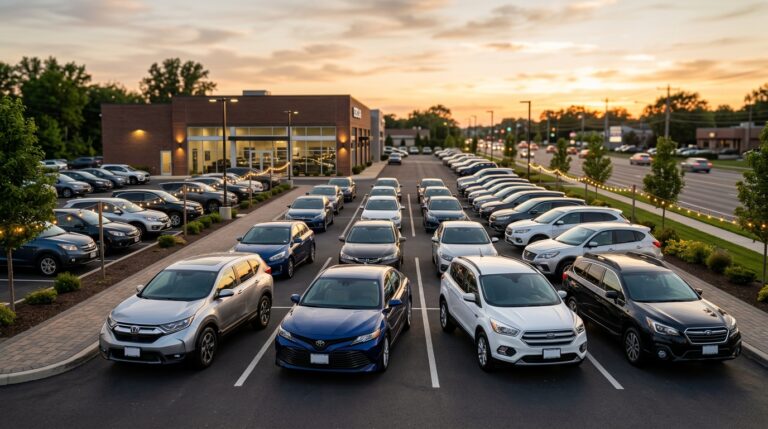
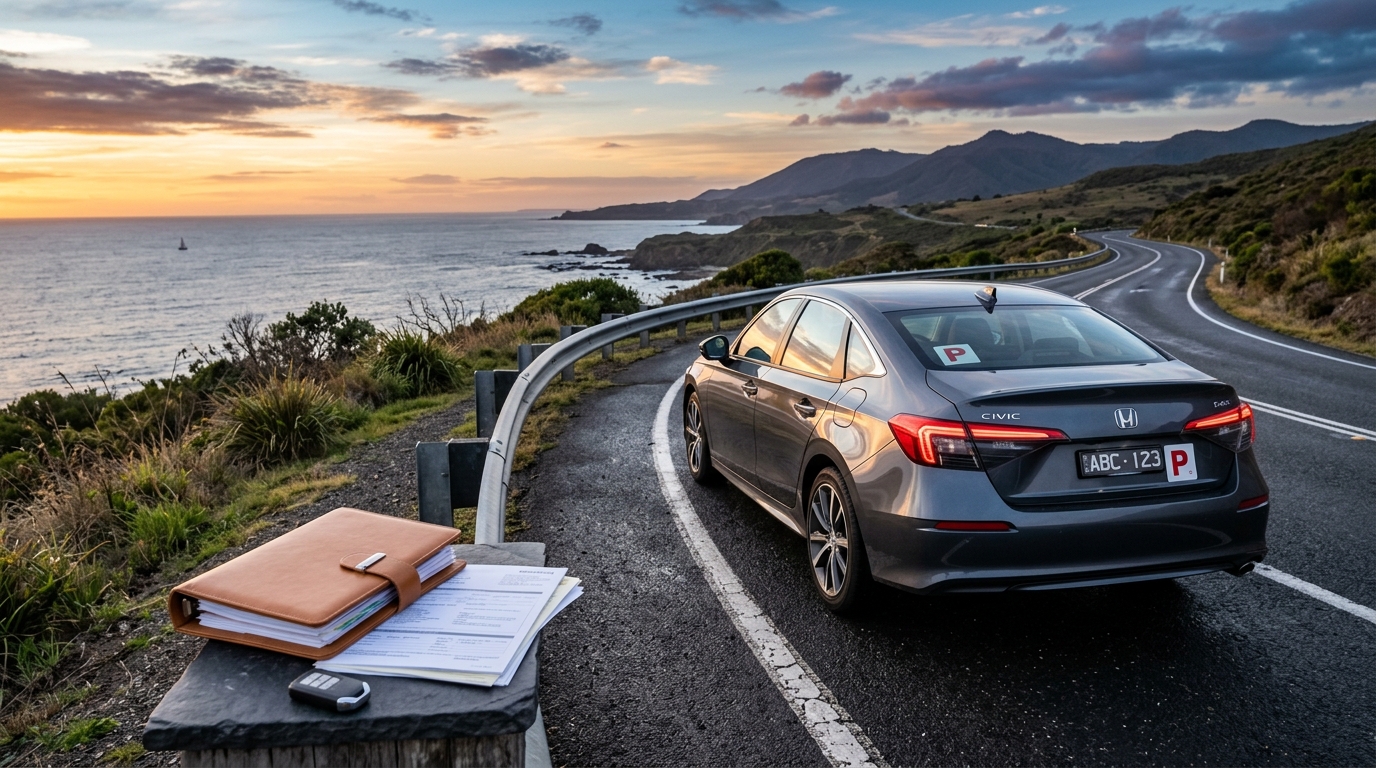
That used Honda Civic looks boring, but it’s cheap to insure. A new Mustang GT? Not so much. Insurers charge more for cars that are expensive to repair or statistically more likely to be in crashes.
Before you buy, get insurance quotes for the cars on your shortlist. A difference of $500 a year in premiums adds up fast. Over three years, that’s $1,500 you could put toward gas or maintenance.
Coverage You Need vs. Coverage You Don’t
Every state except New Hampshire requires some form of auto liability insurance. But minimum limits are often too low to protect your assets if you cause a serious accident.
If you have savings or a home, consider higher limits. A single at-fault accident can lead to a lawsuit that exceeds your policy. The extra premium for higher limits is usually small, maybe $10 to $20 a month.
Full coverage (comprehensive and collision) is required if you lease or finance a car. If you own an older vehicle outright, you might skip it. A general rule: if your car is worth less than 10 times the annual premium for full coverage, you can probably drop it.
Gap Insurance: Worth It for New Cars
If you finance a new car, you might owe more than it’s worth if it’s totaled. Gap insurance covers that difference. It costs about $20 to $40 a year through most insurers. That’s cheap protection against a $5,000 shortfall.
Discounts That Actually Save You Money
Insurers love to advertise discounts. Some are real, some are tiny. Here are the ones that make a difference for new drivers.
- Good student discount: up to 25% off for full-time students with a B average or better.
- Defensive driving course: 5% to 10% off, and some states mandate it for young drivers.
- Telematics programs: pay-per-mile or safe-driving apps can save 10% to 30% at renewal.
- Multi-policy bundle: bundling auto and renters or home can save 10% to 15%.
- Safety features: anti-lock brakes, airbags, and anti-theft devices can shave 5% to 10%.
Stacking discounts helps. A student with a B average who completes a defensive driving course and uses a telematics app could cut their premium by 40% or more.
Telematics: The Biggest Lever
Programs like Progressive Snapshot, Allstate Drivewise, and State Farm Drive Safe & Save track your driving. They reward safe habits: low mileage, smooth braking, no late-night drives.
In practice, a careful 19-year-old can save $500 to $800 a year with telematics. That’s real money. The catch: if you drive aggressively, your rate could go up at renewal. But you can usually opt out after the first term.
How to Shop for Your First Policy
Don’t just call the company your parents use. Rates vary so much that you need at least three quotes. Here’s a simple process.
- Decide on your coverage levels. Minimum liability is the cheapest, but full coverage protects your car.
- Gather your info: driver’s license number, vehicle VIN, and mileage.
- Get quotes online from at least five insurers. Use an independent agent if you want help.
- Ask about every discount you qualify for. Mention your GPA, safety features, and any professional affiliations.
- Compare the total annual premium, not the monthly payment. Some insurers charge fees for monthly billing.
Also check complaint ratios with your state’s insurance department. A cheap policy from a company that fights claims isn’t a bargain.
Consider Adding Yourself to a Parent’s Policy
If you’re under 25 and live with your parents, joining their policy is often the cheapest option. The family rate is usually lower than a standalone policy. Just be aware: your claims could raise their rates too.
Once you move out or turn 25, you’ll need your own policy. Shop around again at that point. Your rate will likely drop anyway.
Common Mistakes That Cost You
New drivers make predictable errors. Avoiding these can save you hundreds.
Lying on your application is the worst. If you say you garage your car in a rural town but actually park it in a city, an insurer can deny a claim. That’s a financial disaster.
Skipping uninsured motorist coverage is another. About 1 in 7 U.S. drivers has no insurance, according to the Insurance Research Council. If one hits you, you’ll want that coverage.
Paying monthly instead of in full can add 5% to 10% in installment fees. If you can pay the full six-month premium, do it.
Conclusion
Car insurance for new drivers is expensive, but it’s not a fixed cost. Your car, coverage choices, and discounts can cut your premium by half. Get quotes from at least five insurers, ask about every discount, and consider telematics if you’re a safe driver. Your first policy won’t be cheap, but it doesn’t have to break the bank.
Q: How much does car insurance cost for a new driver?
Full coverage for a new driver averages $2,400 to $4,500 per year, depending on your state, age, and car. Minimum liability can be as low as $800 annually in some states. Your actual rate depends on your specific details, so always get multiple quotes.
Q: Can I get car insurance without a driver’s license?
Most insurers require a valid driver’s license or permit. If you have a learner’s permit, you can often be added to a parent’s policy. Some companies offer non-owner policies for those who drive occasionally but don’t own a car. You’ll still need a license to qualify.
Q: What discounts are available for new drivers?
Common discounts include good student (up to 25% off), defensive driving course completion (5% to 10% off), telematics programs (10% to 30% off), multi-policy bundling (10% to 15% off), and safety feature discounts (5% to 10% off). Stacking these can significantly lower your premium.
Q: Is it cheaper to be on my parents’ insurance?
Yes, if you’re under 25 and living with them, joining a parent’s policy is usually cheaper than a standalone policy. The family rate is lower because insurers spread risk across multiple drivers. However, your accidents or tickets could raise their rates too.
Q: How can I lower my rate after getting a quote?
Ask about every discount you qualify for, raise your deductible if you can afford it, pay the full six-month premium instead of monthly, and consider telematics. Also, shop around at renewal. Insurers change rates often, and a competitor might offer a better deal.
Article Was Generated By AI.