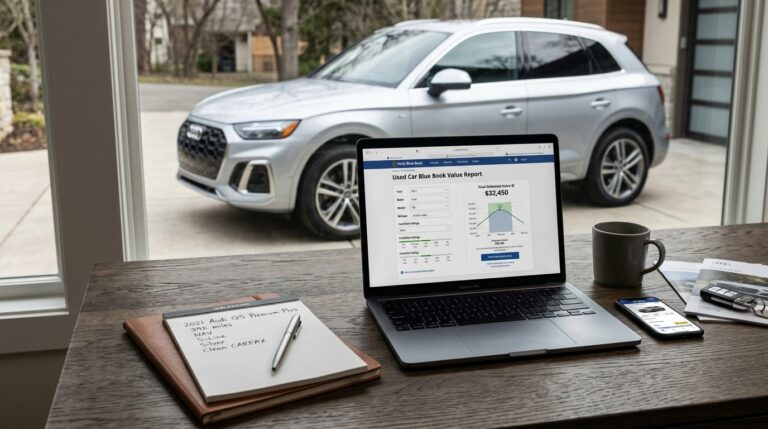
Buying a used car is a big decision. You’ve got two main routes: a private seller or a dealership. Each has its own set of pros and cons. The average used car price in 2023 was around $27,000, according to Edmunds. That’s a lot of money. So you’ll want to get it right.
Private sellers often offer lower prices. Dealerships provide more security. But which is better for you? It depends on your budget, risk tolerance, and how much time you have. Let’s break it down.
Price: Private Sellers Usually Win
Private sellers don’t have the overhead costs that dealerships do. No sales commissions, no lot fees, no advertising budgets. That means they can sell for less. A 2022 study by iSeeCars found that private-party prices are about 10% lower than dealer prices for the same model and year. On a $20,000 car, that’s $2,000 in savings.
But there’s a catch. Private sellers might not be as flexible on price as you think. They often set a firm price based on what they owe or what they saw online. Dealerships, on the other hand, have more room to negotiate. They might drop the price to move inventory, especially at the end of the month.
Dealer Fees Can Add Up
Dealerships often tack on fees. Doc fees, prep fees, and admin fees can add $500 to $1,000 to the final price. Private sellers rarely charge these. But you’ll need to handle the paperwork yourself. That means a trip to the DMV and paying sales tax directly.
In practice, the total cost of a private sale is usually lower. But you’ll need to factor in the time and effort. If you value convenience, a dealership might be worth the extra cost.
Inspection and Condition: Who’s More Transparent?
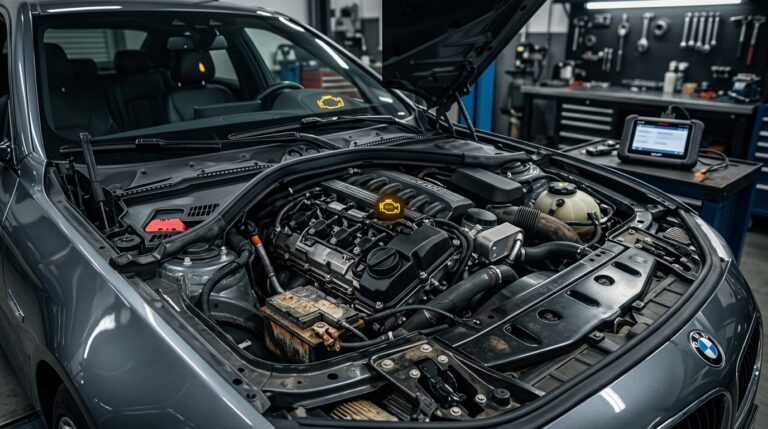
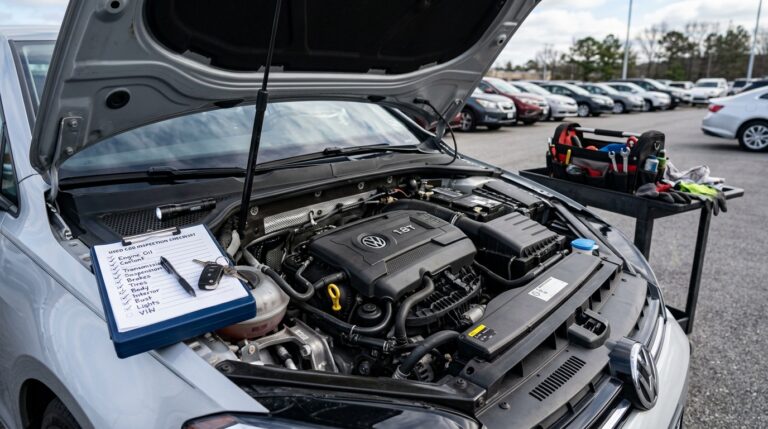
Private sellers might not know the full history of their car. They might not have maintenance records. Some are honest, some aren’t. You’ll need to do your due diligence. That means getting a pre-purchase inspection (PPI) from a mechanic you trust. A PPI costs $100 to $200. It’s worth every penny.
Dealerships, especially franchised ones, often provide a vehicle history report. They might also offer a certified pre-owned (CPO) program. CPO cars come with a manufacturer-backed warranty and a rigorous inspection. But CPO cars cost more. A 2023 study by J.D. Power found that CPO sales made up 30% of used car sales at franchised dealers.
Private Sellers: As-Is, No Warranty
Most private sales are ‘as-is.’ That means once you hand over the cash, it’s yours. If the transmission fails a week later, you’re stuck. There’s no lemon law for private sales in most states. So you need to be thorough. Bring a mechanic or pay for an inspection before you buy.
Dealerships might offer a limited warranty. Even a 30-day warranty can give you peace of mind. But read the fine print. Some warranties only cover certain parts. Others have deductibles.
Financing: Dealerships Make It Easy
Dealerships have finance departments. They can get you a loan on the spot, even if your credit isn’t perfect. But their rates might be higher than what you’d get from a bank or credit union. A 2024 report from Experian showed that the average used car loan rate at a dealership was 8.5% for super-prime borrowers. At a credit union, it was 6.2%.
Private sellers usually want cash. You’ll need to arrange your own financing. That means a trip to your bank or credit union. It’s extra work, but you might save on interest. You can also get pre-approved before you shop, which gives you a budget and negotiating power.
Cash Is King for Private Sales
If you’re paying cash, private sellers are often easier to deal with. No waiting for loan approval. No paperwork delays. You can complete the sale in an afternoon. But carrying thousands in cash is risky. Meet at a bank or police station for safety.
Dealerships accept cash too, but they might push financing. That’s where they make money. Don’t feel pressured. You can always say no and pay cash if you have it.
Paperwork and Legal Stuff: Don’t Get Burned
Private sales require you to handle the title transfer, bill of sale, and registration. Each state has different rules. In California, you need a smog certificate. In Texas, you need a signed title and a vehicle transfer notification. Mess this up, and you could face fines or even lose the car.
Dealerships handle the paperwork for you. They’ll transfer the title, collect sales tax, and give you temporary tags. It’s a smoother process. But you’ll pay for that convenience. Doc fees alone can be $300 to $500.
Watch Out for Title Issues
Private sellers might have a lien on the car. That means the bank owns it until the loan is paid off. If you buy it without clearing the lien, you could lose the car. Always ask for the title in hand. If the seller doesn’t have it, walk away.
Dealerships typically clear liens before selling. But not always. Some small used car lots might sell cars with title problems. Always check the title before you buy.
Test Driving and Negotiation: Different Ballgames
With a private seller, you can usually take the car to your mechanic for an inspection. You can also drive it on different roads. But you might feel awkward negotiating. The seller is a person, not a business. You don’t want to insult them. But you also don’t want to overpay.
At a dealership, you can test drive multiple cars in one visit. You can compare models side by side. But you’ll deal with a salesperson who’s trained to negotiate. They might use tactics like ‘let me talk to my manager.’ It can be exhausting.
Private Sales: More Personal, Less Pressure
Private sellers are often more relaxed. You can ask questions without feeling rushed. But they might not know much about the car’s history. They might not have maintenance records. You’ll need to trust your gut.
Dealerships have professional salespeople. They know the product. They can answer questions about features and specs. But they’re also there to make a sale. Don’t let them rush you.
Which One Is Right for You?
If you’re on a tight budget and willing to do the legwork, a private seller is likely your best bet. You’ll save money, but you’ll need to invest time in inspections and paperwork. If you value convenience, warranty coverage, and financing options, a dealership is worth the extra cost.
Consider your risk tolerance. A private sale is riskier, but the savings can be significant. A dealership offers more protection, but you’ll pay for it. There’s no one-size-fits-all answer.
Here’s a quick checklist to help you decide:
- Budget: Private sellers are cheaper, but you’ll pay for inspections and repairs.
- Time: Dealerships save you time on paperwork and financing.
- Risk: Dealerships offer warranties; private sales are as-is.
- Selection: Dealerships have more cars to choose from.
- Negotiation: Private sellers are often more flexible on price.
In practice, many buyers start with a private seller to save money, then fall back to a dealership if they can’t find the right car. That’s a smart approach. It gives you options.
Conclusion
Buying a used car from a private seller can save you thousands, but you’ll need to do your homework. A dealership offers convenience and peace of mind, but you’ll pay a premium. Weigh your priorities. If you’re willing to put in the effort, a private seller is often the better financial choice. If you want a smoother experience, go with a dealership. Either way, always get a pre-purchase inspection and check the title. That’s the best way to avoid a costly mistake.
Q: Is it cheaper to buy a used car from a private seller?
Yes, private sellers typically offer lower prices because they don’t have overhead costs like dealerships. According to iSeeCars, private-party prices are about 10% lower than dealer prices for the same model and year. However, you’ll need to pay for inspections and handle paperwork yourself, which adds time and effort.
Q: What are the risks of buying from a private seller?
The biggest risk is buying a car with hidden problems. Most private sales are ‘as-is,’ meaning no warranty. You could end up with costly repairs. There’s also the risk of title issues, like liens. Always get a pre-purchase inspection and verify the title before handing over any money.
Q: Can I finance a car from a private seller?
Yes, but it’s more complicated. Most private sellers expect cash. You’ll need to get a loan from a bank or credit union. Some lenders offer private-party auto loans, but rates may be higher. Get pre-approved before you shop so you know your budget and can negotiate as a cash buyer.
Q: Do dealerships offer warranties on used cars?
Many dealerships offer limited warranties on used cars, especially certified pre-owned (CPO) vehicles. CPO cars come with manufacturer-backed warranties and thorough inspections. However, not all used cars come with a warranty. Always ask about coverage and read the fine print before you buy.
Q: How do I transfer a title after buying from a private seller?
The process varies by state. Typically, you’ll need the signed title, a bill of sale, and proof of insurance. You’ll submit these to your local DMV and pay sales tax and registration fees. Check your state’s requirements beforehand. Some states require a smog certificate or vehicle inspection.
Article Was Generated By AI.