You’ve mapped the route and booked the hotels. But have you given your car the same attention? A long road trip can expose weak points you never notice on short drives. According to AAA, vehicle breakdowns strand millions of drivers each year, and many are preventable with a pre-trip inspection. Here’s how to get your car ready for the miles ahead.
Start with a Thorough Inspection
Before you pack a single bag, set aside an hour to inspect your car from bumper to bumper. A second set of eyes helps, so ask a friend to join you. In practice, most issues you’ll find are minor and easy to fix at home.
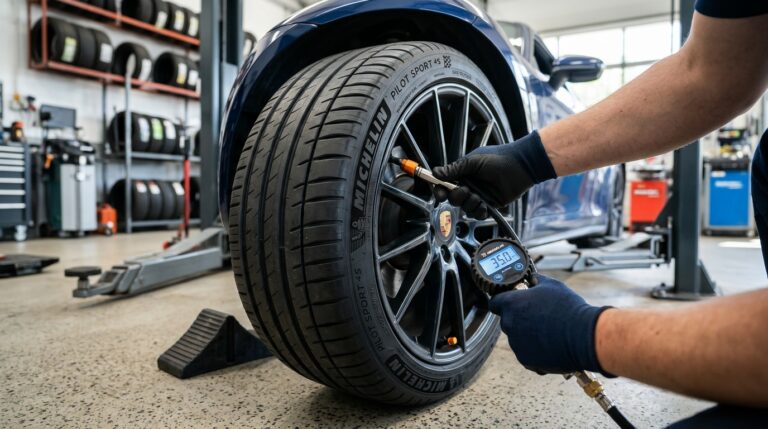
Begin with the tires. Check tread depth using the penny test: insert a penny into the tread with Lincoln’s head down. If you can see all of his head, the tire is worn and needs replacing. Also look for uneven wear, cuts, or bulges. Proper tire pressure improves fuel economy and handling. Check pressure when tires are cold, using the sticker on the driver’s door jamb as your guide, not the number on the tire sidewall.
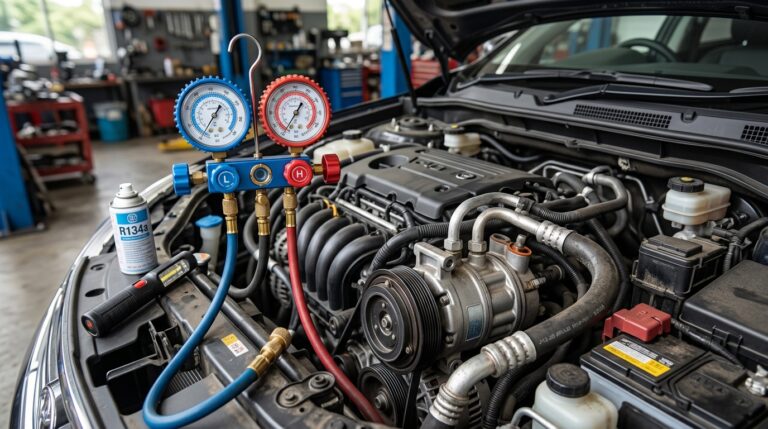
Next, check all fluids. That includes engine oil, coolant, brake fluid, transmission fluid, and windshield washer fluid. Top off any that are low, and note any that look dirty or have particles. For oil, pull the dipstick, wipe it clean, reinsert it, and check the level. If it’s dark and gritty, change it before you go. A 3,000-mile oil change interval is outdated for most modern cars; many recommend 7,500 to 10,000 miles, but a long trip is a good excuse to start fresh.
Inspect the belts and hoses for cracks, fraying, or soft spots. Squeeze the upper radiator hose; it should feel firm, not mushy. Belts should have no glazing or missing chunks. If you’re unsure, have a mechanic check them. A snapped serpentine belt can leave you stranded.
Test all lights: headlights (high and low beams), turn signals, brake lights, and hazard flashers. Ask someone to help you check the brake lights while you press the pedal. Replace any burned-out bulbs. Also check the battery. Most auto parts stores will test it for free. A battery that’s over three years old is more likely to fail, especially in extreme temperatures.
Perform Essential Maintenance Tasks
Even if your car passed the inspection, some maintenance tasks are worth doing before a long trip. These reduce the risk of breakdowns and keep your car running efficiently.
Change the oil and filter if you’re close to the interval. Fresh oil helps the engine run cooler and smoother on long highway stretches. Replace the air filter if it’s dirty; a clogged filter can hurt fuel economy by up to 10%. Check the cabin air filter too. If it’s been more than 15,000 miles, swap it out for cleaner air inside the car.
Check the brake pads and rotors. Look through the wheel spokes: if the pad material is less than 3 millimeters thick, replace the pads. Also check the brake fluid level and color. Dark fluid indicates it’s time for a flush. Brakes are critical on mountain descents, so don’t skip this.
Inspect the serpentine belt for wear. A belt that’s cracked or glazed can fail without warning. If it’s more than 60,000 miles old, consider replacing it as preventive maintenance. Also check the coolant level and strength. Use a hydrometer to test the freeze point; it should be good for at least -34°F if you’re heading to cold climates.
Pack a Comprehensive Emergency Kit
A well-stocked emergency kit can turn a crisis into a minor inconvenience. Don’t rely on the flimsy kit that came with the car, if it has one. Build your own with these essentials:
- Jumper cables or a portable jump starter (lithium-ion models are compact and reliable)
- Flashlight with extra batteries
- First aid kit with bandages, antiseptic wipes, and pain relievers
- Basic tool set including screwdrivers, pliers, and an adjustable wrench
- Reflective warning triangles or road flares
- Spare tire, jack, and lug wrench (check that they’re all present and functional)
- Blanket, warm clothing, and rain gear
- Non-perishable snacks and bottled water
- Phone charger and portable power bank
- Duct tape and WD-40
Store the kit in the trunk, secured so it doesn’t slide around. Check expiration dates on items like flares and first aid supplies every six months. A small fire extinguisher (rated for car fires) is also a smart addition.
Prepare Your Documents and Tech
Before you hit the road, make sure your paperwork is in order. You’ll need your driver’s license, vehicle registration, and proof of insurance. Keep digital copies in your phone and physical copies in the glove box. If you’re crossing borders, check passport requirements and any vehicle documentation needed, such as a letter of authorization if you’re driving someone else’s car.
Update your GPS or phone maps for offline use. Cell service can be spotty in remote areas, so download maps for your entire route. A paper map is a good backup. Also, check your car’s infotainment system for software updates. Many modern cars offer over-the-air updates that improve navigation and connectivity.
Clean the interior and organize your space. A cluttered car makes it hard to find things and can be distracting. Use seat-back organizers and a trash bag. Vacuum the carpets and wipe down surfaces. A clean car feels more comfortable on long drives.
Plan for Fuel and Rest Stops
Long trips require strategic planning for fuel and rest. Don’t wait until the tank is empty; fill up when it reaches a quarter tank. This gives you a buffer if the next station is closed or out of order. Apps like GasBuddy can help you find the cheapest fuel along your route.
Schedule rest stops every two hours or 100 miles. Driver fatigue is a major factor in accidents. According to the National Highway Traffic Safety Administration, drowsy driving causes about 100,000 crashes annually. Use rest areas or pull off at a safe spot to stretch, grab a snack, and switch drivers if possible.
If you’re traveling with pets, plan for their needs too. Bring a crate or seat belt harness, water, and food. Never leave a pet in a parked car, even with windows cracked. Temperatures can rise quickly and become deadly.
Final Checks Before You Leave
The day before your trip, do a final walkaround. Check tire pressure again (including the spare), top off fluids, and test all lights. Make sure your emergency kit is stocked and your documents are handy. Pack your car with heavier items low and toward the center to improve handling.
Get a good night’s sleep. Fatigue impairs reaction time as much as alcohol. Aim for at least seven hours of sleep before a long drive. And don’t forget to adjust your mirrors and seat for comfort before you start the engine.
Conclusion
Preparing your car for a long road trip doesn’t require a mechanic’s expertise. With a thorough inspection, essential maintenance, and a well-stocked emergency kit, you’ll reduce the risk of breakdowns and enjoy a smoother journey. Spend an hour or two now, and you’ll save hours of stress later. Safe travels.
Q: How often should I check my tire pressure on a road trip?
Check tire pressure at least once a week and before any long drive. During a road trip, check it every morning when tires are cold. Temperature changes can affect pressure, so a drop of 10°F can lower pressure by about 1 PSI. Proper pressure improves fuel economy and safety.
Q: What’s the most important thing to check before a long road trip?
Tires are critical, but don’t overlook fluids and brakes. Engine oil, coolant, and brake fluid levels should be spot on. Brake pads should have plenty of material left. A close second is the battery, especially if it’s over three years old. A dead battery is a common cause of breakdowns.
Q: Do I need a spare tire if my car has run-flat tires?
Run-flat tires can go up to 50 miles at 50 mph, but that might not be enough to reach a repair shop. Many cars with run-flats don’t include a spare, but you can add a compact spare or a tire repair kit. Check your owner’s manual for recommendations.
Q: How can I prevent my car from overheating on a long trip?
Check coolant level and condition before you leave. A 50/50 mix of coolant and water is standard. Inspect the radiator hoses for cracks and the radiator cap for a good seal. If you’re driving in hot weather or mountains, consider having the cooling system flushed if it’s been more than two years.
Q: What should I do if my car breaks down on a remote road?
Pull as far off the road as possible and turn on hazard lights. Stay in the car with seatbelts on if traffic is heavy. Call for roadside assistance. If you have a reflective triangle, place it behind the car. Avoid standing outside the vehicle, especially on highways. Keep your emergency kit accessible.
Article Was Generated By AI.