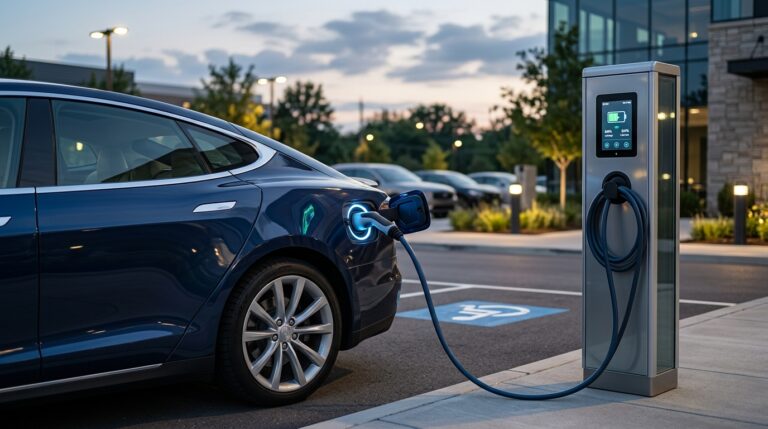
Electric vehicle range is a hot topic for new buyers and seasoned owners alike. You’ve probably seen the EPA estimates, but real-world range can vary dramatically. Understanding what affects EV range helps you plan trips and get the most out of your battery. Here’s what you need to know.
How Driving Habits Impact EV Range
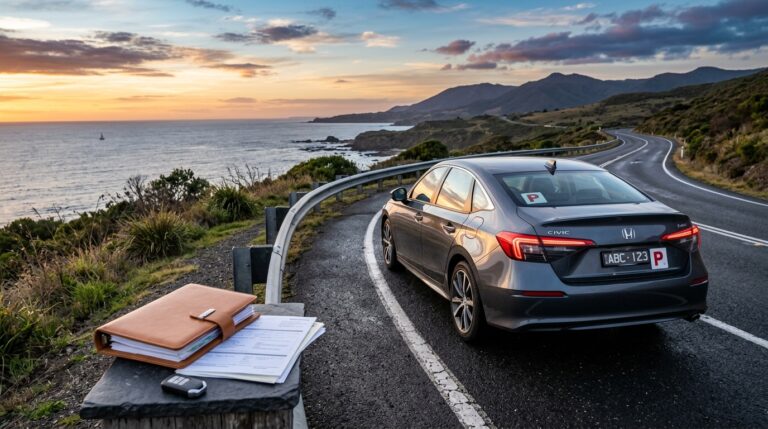
Your right foot is the biggest factor in EV range. Aggressive acceleration and high speeds drain the battery faster than smooth, steady driving. According to the U.S. Department of Energy, aggressive driving can reduce range by up to 30% on the highway.
In practice, maintaining a consistent speed and using cruise control helps. Regenerative braking, which recovers energy during deceleration, also extends range in city driving. But on the highway, regen doesn’t help much because you’re not braking often.
Jackrabbit starts and hard stops waste energy. Aim for smooth inputs. You’ll see a noticeable difference in your range estimate.
Temperature and Weather Effects
Cold weather is an EV’s nemesis. Lithium-ion batteries lose capacity in low temperatures, and cabin heating draws significant power. A study by AAA found that EV range can drop by 41% at 20°F compared to 77°F.
Hot weather also affects range, but less severely. Air conditioning can reduce range by about 17% in extreme heat, per the same AAA study. Parking in the shade and pre-conditioning while plugged in helps.
Pre-conditioning is key. Warm or cool the cabin while the car is still charging. That way, you’re using grid power instead of battery power for climate control.
Terrain and Elevation
Hills and mountains force the motor to work harder. Climbing grades consumes more energy, though some of it is recovered on the descent via regenerative braking. The net effect is still a range reduction.
If you live in a hilly area, expect lower range than flatland drivers. Planning routes with fewer elevation changes can help on long trips.
Vehicle Load and Aerodynamics
Extra weight reduces efficiency. Carrying heavy cargo or passengers increases energy consumption. Roof racks and bike carriers also create drag, especially at highway speeds.
Remove unnecessary items when not needed. A roof box can cut range by up to 20% at 70 mph, according to tests by Consumer Reports.
Battery Health and Age
Batteries degrade over time. After 8 to 10 years, you might see a 10-20% reduction in capacity. Factors like frequent DC fast charging and extreme temperatures accelerate degradation.
To preserve battery health, avoid regularly charging to 100% or draining below 10%. Most manufacturers recommend keeping the state of charge between 20% and 80% for daily use.
Tire Choice and Maintenance
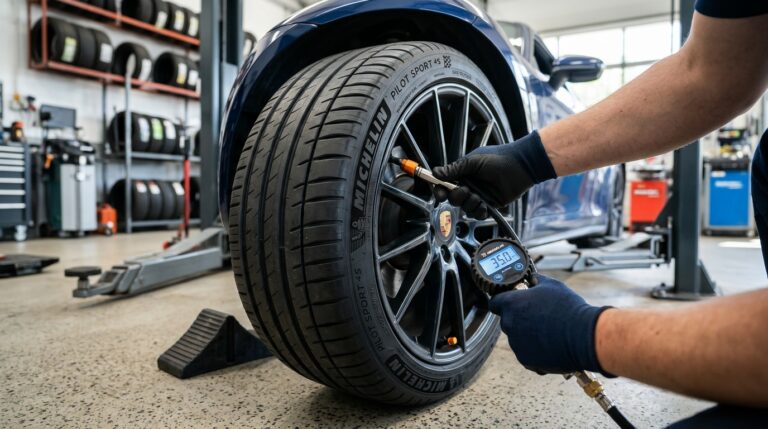
Tires affect rolling resistance. Low-rolling-resistance tires, often fitted to EVs, improve efficiency. Switching to aggressive tread or under-inflated tires hurts range.
Check tire pressure monthly. A 10% drop in pressure can reduce range by 1-2%. It’s a small thing, but it adds up.
Tips to Maximize Your EV Range
- Drive smoothly and use eco mode if available.
- Pre-condition the cabin while plugged in.
- Use seat heaters instead of cabin heat in winter.
- Remove roof racks and excess cargo when not needed.
- Keep tires properly inflated.
- Plan routes to avoid steep grades and heavy traffic.
These habits can add 10-20% to your real-world range. Small changes make a big difference.
Conclusion
Electric vehicle range isn’t fixed. It depends on how you drive, where you drive, and how you care for your car. By understanding these factors, you can get the most out of every charge and reduce range anxiety.
Q: Why does my EV range drop in winter?
Cold temperatures slow chemical reactions in the battery, reducing usable capacity. Cabin heating also draws significant power. According to AAA, range can drop by 41% at 20°F. Pre-conditioning while plugged in and using seat heaters can help mitigate the loss.
Q: Does fast charging degrade my battery?
Frequent DC fast charging can accelerate battery degradation, especially in extreme temperatures. However, occasional fast charging is fine. For daily use, rely on Level 2 charging and keep your battery between 20% and 80% to preserve health.
Q: How can I improve my EV’s range?
Drive smoothly, avoid high speeds, pre-condition the cabin, remove excess weight, and keep tires inflated. Using eco mode and seat heaters instead of cabin heat also helps. These habits can extend range by 10-20% in real-world conditions.
Q: Do roof racks affect EV range?
Yes, roof racks and cargo boxes increase aerodynamic drag, especially at highway speeds. Consumer Reports found a roof box can cut range by up to 20% at 70 mph. Remove them when not in use to maximize efficiency.
Q: How does driving style impact EV range?
Aggressive acceleration and high speeds drain the battery faster. The U.S. Department of Energy notes that aggressive driving can reduce range by up to 30% on the highway. Smooth, steady driving and using cruise control can significantly improve efficiency.
Article Was Generated By AI.