Finding a dependable used car near you takes more than just scrolling through online listings. With millions of vehicles for sale, you need a strategy to separate the gems from the lemons. This guide walks you through the process, from setting a budget to closing the deal, so you can drive away with confidence.
Start with a Realistic Budget
Before you browse a single listing, figure out how much you can afford. A common rule is to spend no more than 20% of your monthly take-home pay on car expenses, including insurance and maintenance. For a $3,000 monthly income, that’s $600 per month.
Don’t forget additional costs. Sales tax, registration, and a pre-purchase inspection can add $500 to $1,000 to your total. If you’re financing, a down payment of at least 10% to 20% helps you avoid being upside-down on the loan.
In practice, many buyers overlook the cost of insurance for the specific model they want. A sports car will cost more to insure than a compact sedan. Get quotes before you commit.
Use the Right Online Tools to Locate Cars
Websites like Autotrader, Cars.com, and CarGurus let you filter by make, model, price, mileage, and distance. Set your search radius to 50 miles to start. That typically covers a metro area and gives you enough options without an all-day drive.
Facebook Marketplace and Craigslist can have great deals, but they also attract scammers. Always meet in a public place during daylight. If the price seems too good to be true, it probably is.
Check the vehicle history report through Carfax or AutoCheck. A clean title and no accident history are good signs. But remember, not all accidents get reported, so a report is just one piece of the puzzle.
Leverage Local Dealerships and Private Sellers
Franchise dealerships often sell certified pre-owned (CPO) cars that come with extended warranties. These cost more, but you get peace of mind. For example, a 2019 Honda Civic CPO might be $2,000 more than a private-party equivalent, but it includes a 7-year/100,000-mile powertrain warranty.
Private sellers usually offer lower prices because they don’t have overhead. However, you won’t get a warranty. That’s why a third-party inspection is non-negotiable.
Inspect the Car Like a Pro
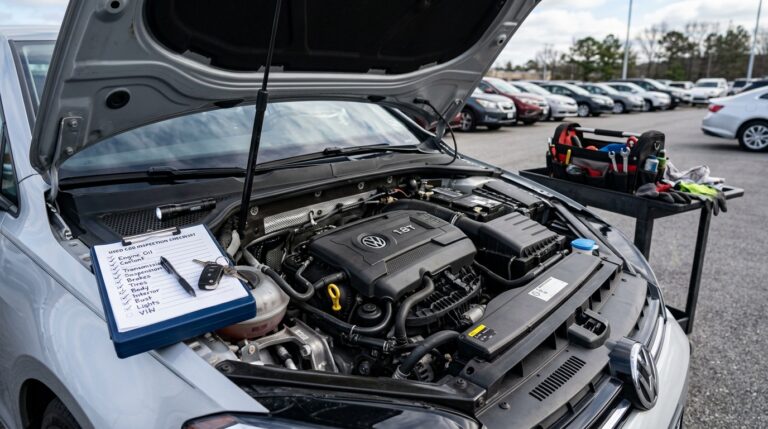
Even if you’re not a mechanic, you can spot red flags. Start with a walk-around. Look for mismatched paint, uneven panel gaps, and rust. These can indicate past accidents or poor repairs.
Check the tires. They should have at least 4/32 of an inch of tread. Use a penny: insert it upside down into the tread. If Lincoln’s head is fully visible, the tires need replacing soon.
Inside, test every button, knob, and electronic feature. Air conditioning, windows, radio, and dashboard lights should all work. A check engine light is a dealbreaker unless you’re prepared for a costly repair.
Take a Test Drive That Reveals Problems
Drive on both city streets and highways. Listen for unusual noises, like grinding brakes or clunking suspension. The transmission should shift smoothly without hesitation.
Test the brakes at different speeds. If the pedal feels spongy or the car pulls to one side, that’s a sign of worn components. After the drive, look under the car for fresh fluid leaks.
Get a Pre-Purchase Inspection
Hire a certified mechanic to inspect the car. It costs $100 to $200, but it can save you thousands. The mechanic will put it on a lift and check the engine, transmission, and frame.
Ask for a compression test on the engine. It reveals internal wear. If the seller refuses to allow an inspection, walk away. That’s a major red flag.
Verify the Paperwork and Title
A clean title means the car isn’t salvage, rebuilt, or flood-damaged. Ask to see the title in person. The seller’s name should match the name on the title.
Check the VIN on the dashboard and door jamb. It should match the title and the history report. If there’s a discrepancy, walk away.
In private sales, you’ll need a bill of sale and the signed title to transfer ownership. Some states require a notary. Check your local DMV rules before you meet.
Negotiate the Price Without Getting Burned
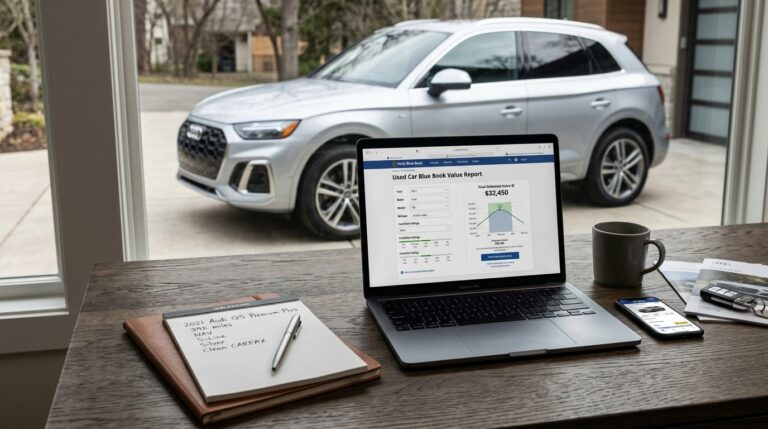
Research the car’s value on Kelley Blue Book or Edmunds. Print out the private-party value and use it as your anchor. If the car needs tires or brakes, deduct that cost from your offer.
Start with an offer 10% to 15% below asking. Be prepared to walk away. Sellers often drop their price if they sense you’re serious but not desperate.
Don’t fall for pressure tactics. A good deal today is better than a bad deal you regret tomorrow.
Final Steps: Payment and Transfer
If you’re paying cash, meet at your bank. They can verify the bills and notarize the title. For financed purchases, your lender will handle the paperwork.
Once you’ve paid, get the title, bill of sale, and any warranty documents. Then transfer the title at the DMV within the required timeframe, usually 10 to 30 days.
Finally, add the car to your insurance policy before you drive it home. Most insurers offer a grace period, but it’s safer to be covered immediately.
Conclusion
Finding a reliable used car near you comes down to preparation and inspection. Set a budget, use trusted online tools, and always get a pre-purchase inspection. With these steps, you’ll avoid costly mistakes and find a car that serves you well for years.
Q: How do I know if a used car is reliable?
Check the vehicle history report for accidents and service records. A pre-purchase inspection by a certified mechanic is the best way to uncover hidden issues. Also, research the model’s reliability ratings from sources like Consumer Reports or J.D. Power.
Q: What should I look for when inspecting a used car?
Look for mismatched paint, uneven panel gaps, and rust. Check tire tread depth and test all electronics. During a test drive, listen for unusual noises and feel for smooth shifting. Always get a mechanic to inspect it on a lift.
Q: Is it better to buy from a dealer or a private seller?
Dealers offer warranties and financing but charge more. Private sellers have lower prices but no warranty. If you’re not car-savvy, a certified pre-owned car from a dealer might be worth the extra cost for peace of mind.
Q: How much should I pay for a pre-purchase inspection?
A pre-purchase inspection typically costs $100 to $200. It’s a small price to pay to avoid a major repair. Some mechanics offer mobile inspections for a slightly higher fee. Always use a mechanic you trust, not one recommended by the seller.
Q: What paperwork do I need to buy a used car?
You’ll need the signed title, a bill of sale, and a valid driver’s license. If financing, your lender will provide the necessary documents. Check your state’s DMV for specific requirements, like a notary or emissions test.
Article Was Generated By AI.