Fuel prices rise and fall, but how much gas your car uses is partly in your hands. Small changes in how you drive and maintain your vehicle can add up to noticeable savings over a year. Here are practical steps that work for almost any car.
Drive Smoothly and Watch Your Speed
Aggressive driving wastes fuel. Rapid acceleration, hard braking, and speeding can lower gas mileage by a significant amount, according to the U.S. Department of Energy. Look ahead in traffic, ease off the accelerator early, and let the car coast toward stops. On open highways, cruise control helps keep a steady pace. Fuel economy usually drops as speeds climb above the range where your engine is most efficient, so slowing down a little often saves more than you would expect.
Keep Your Tires Properly Inflated
Underinflated tires increase rolling resistance, which makes the engine work harder. Check tire pressure at least once a month, when the tires are cold, using a reliable gauge. Use the pressure listed on the sticker inside the driver’s door, not the maximum number printed on the tire itself. Correct alignment also helps the tires roll freely and wear evenly.
Reduce Extra Weight and Drag
The more your car carries, the more fuel it burns. Take out heavy items you do not need, such as sports gear, tools, or boxes that have been in the trunk for months. Remove roof racks and cargo carriers when you are not using them, since they disrupt airflow and increase drag. Even a small improvement in aerodynamics can help at highway speeds.
Keep Up With Regular Maintenance
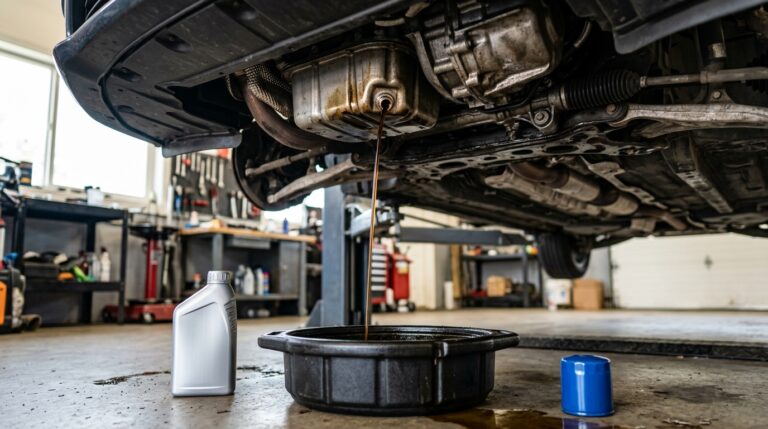
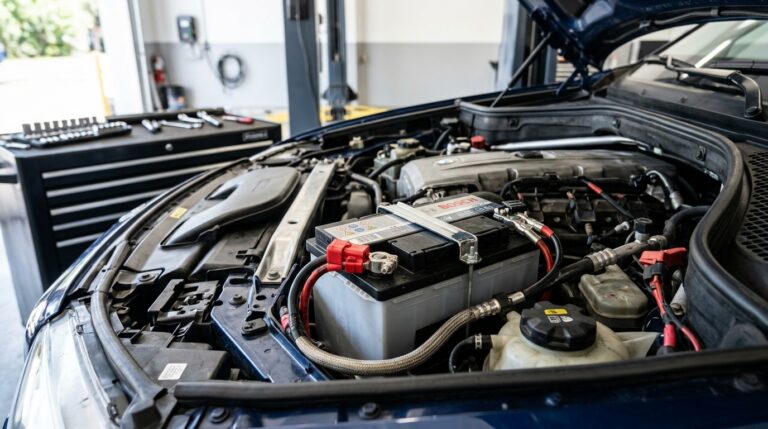
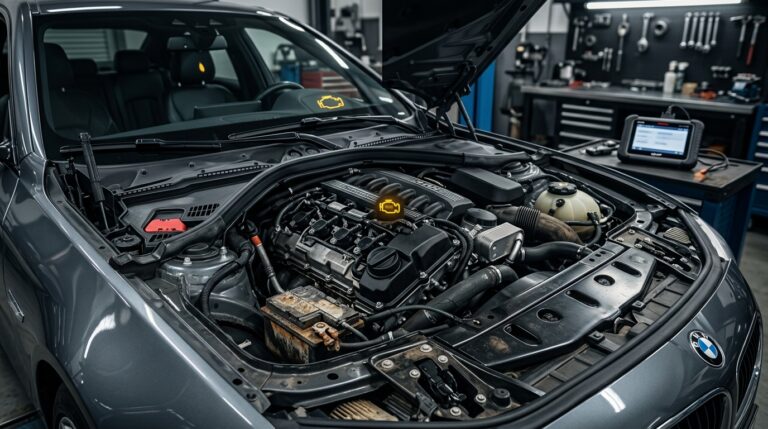
A well-maintained engine runs more efficiently. Replace a clogged air filter, use the motor oil grade recommended in your owner manual, and follow the service schedule. Do not ignore the check engine light, because problems such as a faulty oxygen sensor can quietly reduce mileage and raise emissions.
Air Conditioning or Open Windows?
Both affect fuel use. At low speeds, opening the windows usually costs less fuel than running the air conditioner. At highway speeds, open windows create drag, so using the A/C is often just as efficient. Using the recirculation setting helps the system cool the cabin with less effort, and parking in the shade keeps the car cooler to begin with.
Use the Right Fuel Grade
Check your owner manual for the fuel grade your engine needs. If the manual calls for regular gasoline, paying for premium will not improve mileage or performance in most cases. If it requires premium, using a lower grade can reduce efficiency and harm the engine over time. Fill up at reputable stations and tighten the fuel cap after each stop.
Plan Trips and Limit Idling
Combine errands into one trip, since a warm engine is more efficient than several cold starts. Avoid rush hour when possible, and use navigation apps to dodge heavy traffic. Idling burns fuel and gets you nowhere, and modern engines need only a short time to warm up, so turn the engine off if you will be stopped for more than a minute or so.
None of these steps is difficult, and together they can lower your fuel costs month after month.
Article Was Generated By AI.