Your brakes are the most important safety system in your car, yet many drivers ignore early warning signs until a small issue becomes an expensive repair. Knowing what to watch, listen, and feel for can keep you safe and save money.
Squealing or Squeaking Noises
Many brake pads have a small metal wear indicator. When the pad material wears thin, this tab rubs against the rotor and makes a high-pitched squeal when you brake. It is designed to get your attention. Squeaking can also come from moisture or dust, so if it goes away after a few stops it may be harmless. A noise that stays is worth checking.
Grinding Sounds
A harsh grinding or growling sound usually means the pads are completely worn and metal is touching metal. This damages the rotors and makes repairs more costly. If you hear grinding, have your car inspected as soon as possible.
Changes in How the Pedal Feels
Pay attention to the pedal. Warning signs include:
- A soft or spongy pedal that sinks toward the floor
- A pedal that feels unusually hard to press
- Vibration or pulsing through the pedal or steering wheel, which may point to warped rotors
- The car pulling to one side when you brake
A spongy pedal can indicate air or moisture in the brake fluid or a leak, which is a serious safety concern.
Longer Stopping Distances and Warning Lights
If your car takes more distance to stop than it used to, the brakes may be losing effectiveness. A brake warning light on the dashboard can signal low brake fluid, a parking brake that is still engaged, or a fault in the system. Do not ignore it.
How Long Do Brake Pads Last?
There is no fixed number. Pads often last between 25,000 and 70,000 miles, depending on your driving style, vehicle weight, and road conditions. City driving with frequent stops wears pads faster than steady highway driving. As a rule of thumb, pads thinner than about one quarter inch, roughly 3 to 6 millimeters, should be replaced soon.
Brake fluid also needs attention. Many manufacturers recommend changing it every two to three years because it absorbs moisture over time.
Should You Replace Brakes Yourself?
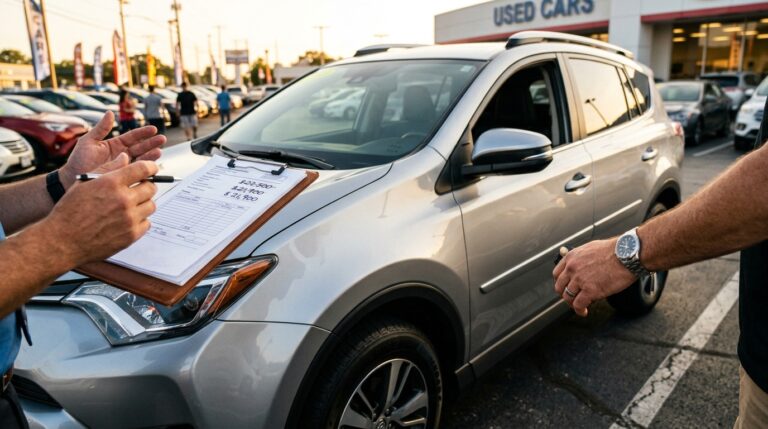
Experienced home mechanics can change pads and rotors with the right tools and a safe setup. Because brakes are critical to safety, most drivers are better off using a qualified shop and asking for a written estimate before work begins.
Can You Make Your Brakes Last Longer?
Yes, to a degree. Leave more space between you and the car ahead so you can slow down gradually instead of braking hard. Ease off the accelerator early when you see a red light. Remove heavy items from the trunk that add weight, and avoid riding the brake pedal on long downhill roads, where using a lower gear helps. These simple habits reduce heat and wear on both pads and rotors.
Do Not Delay
Have your brakes checked during regular service or at least once a year. If something feels wrong, get it inspected right away. Replacing pads early is far cheaper than replacing pads, rotors, and calipers later. Always check your owner manual for the schedule recommended for your vehicle.
Article Was Generated By AI.