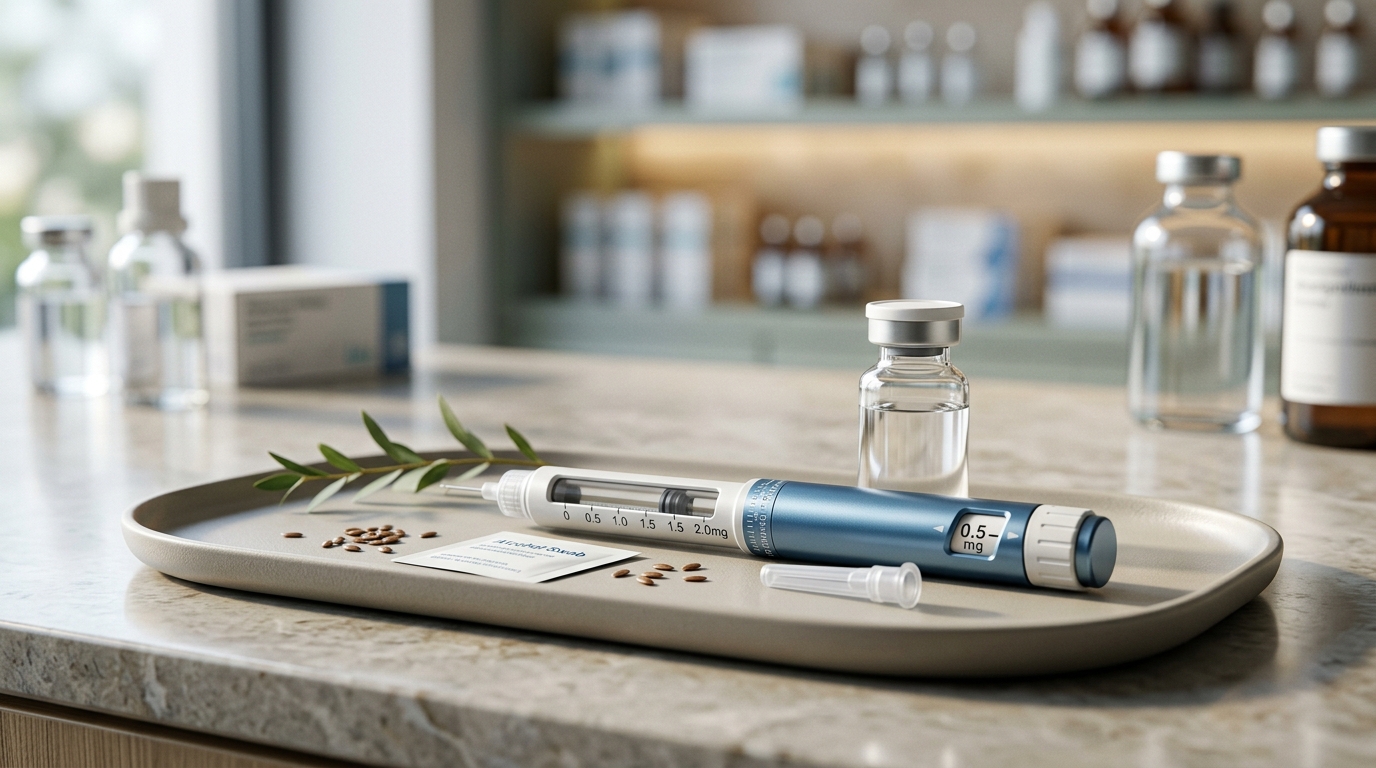
Weight loss injections have become a hot topic, with celebrities and social media influencers touting their effects. But what’s the real story? Drugs like semaglutide (Wegovy) and tirzepatide (Zepbound) are FDA-approved for chronic weight management, and they’ve shown impressive results in clinical trials. Yet they’re not magic bullets. They come with side effects, high costs, and questions about long-term use. If you’re considering them, here’s what you need to know.
How Do Weight Loss Injections Work?
These medications mimic hormones your body naturally produces to regulate appetite and blood sugar. Semaglutide, for example, is a GLP-1 receptor agonist. It slows stomach emptying, increases feelings of fullness, and reduces hunger. Tirzepatide goes a step further by also acting on GIP receptors, which may enhance its effects.
In clinical trials, participants on semaglutide lost about 15% of their body weight over 68 weeks, while those on tirzepatide lost around 20%. That’s significant compared to lifestyle changes alone, which typically yield 5-10% weight loss. But these drugs aren’t for everyone.
Who Are They For?
Weight loss injections are approved for adults with a BMI of 30 or higher (obesity) or a BMI of 27 or higher with at least one weight-related condition, such as type 2 diabetes, high blood pressure, or high cholesterol. They’re not intended for cosmetic weight loss.
Your doctor will assess your medical history and may recommend them if you’ve struggled with obesity despite diet and exercise. In practice, many patients see a doctor after trying multiple diets without long-term success. These injections can be a tool, but they’re not a cure.
What Are the Side Effects?
Common side effects include nausea, vomiting, diarrhea, constipation, and abdominal pain. These often subside as your body adjusts, but they can be severe enough to stop treatment. In rare cases, more serious complications like pancreatitis, gallbladder disease, or kidney problems can occur.
There’s also the risk of muscle loss. Studies show that up to 40% of the weight lost with these drugs can be lean muscle mass. That’s why experts recommend strength training and adequate protein intake while on the medication.
Cost and Access
These injections are expensive. Without insurance, semaglutide can cost over $1,300 per month, and tirzepatide around $1,000. Some insurance plans cover them for diabetes but not for weight loss. Medicare Part D doesn’t cover weight loss drugs, though that may change.
Compounded versions from online pharmacies are cheaper but unregulated. The FDA has warned about risks from compounded semaglutide, including dosing errors and impurities. Stick with FDA-approved products from reputable sources.
Do You Need Them Forever?
Obesity is a chronic condition, so these drugs are intended for long-term use. Stopping them often leads to weight regain. In a 2022 study, participants who stopped semaglutide regained two-thirds of their lost weight within a year. That’s why doctors recommend continuing the medication, along with lifestyle changes, to maintain results.
But long-term safety data is still limited. Semaglutide was approved for weight loss in 2021, so we don’t have decades of data. Researchers are monitoring for potential risks, including thyroid tumors seen in animal studies.
Lifestyle Still Matters
These injections aren’t a replacement for healthy habits. They make it easier to eat less by reducing appetite, but you still need to focus on nutrition and exercise. A balanced diet with plenty of protein helps preserve muscle. Regular physical activity, especially strength training, supports metabolism and overall health.
Without these habits, you may lose weight but not improve your health. The goal isn’t just a lower number on the scale; it’s better blood sugar, cholesterol, and blood pressure.
Questions to Ask Your Doctor
- Am I a candidate for weight loss injections based on my BMI and health conditions?
- What are the potential side effects and how can I manage them?
- How much will this cost, and will my insurance cover it?
- What lifestyle changes should I make while on the medication?
- How long will I need to take it, and what happens if I stop?
Conclusion
Weight loss injections can be effective for people with obesity, but they’re not a quick fix. They require medical supervision, lifestyle changes, and a commitment to long-term use. If you’re considering them, talk to your doctor about the risks and benefits. With the right approach, they can be a valuable tool in managing weight and improving health.
Q: Are weight loss injections safe?
They are FDA-approved for chronic weight management and have been tested in clinical trials. Common side effects include nausea and vomiting, but serious risks like pancreatitis are rare. Long-term safety data is still limited. Always use under medical supervision.
Q: How much weight can you lose with injections?
Clinical trials show semaglutide can lead to about 15% body weight loss and tirzepatide around 20% over 68 weeks. Results vary based on diet, exercise, and individual factors. These are averages; some lose more, some less.
Q: Do you have to take weight loss injections forever?
Obesity is a chronic condition, so these drugs are typically intended for long-term use. Stopping often leads to weight regain. In one study, participants regained two-thirds of lost weight within a year after stopping semaglutide. Your doctor will help you decide the duration.
Q: Can you get weight loss injections without a prescription?
No, they require a prescription. Some online sellers offer compounded versions without a prescription, but the FDA warns these are unregulated and may be unsafe. Always consult a healthcare provider and use FDA-approved products.
Q: What should you eat while on weight loss injections?
Focus on lean protein, vegetables, and whole grains. Small, frequent meals can help manage nausea. Avoid high-fat and spicy foods if they trigger side effects. Stay hydrated. A registered dietitian can help you plan meals to meet nutrient needs and preserve muscle.
Article Was Generated By AI.