Buying a used car can feel like navigating a minefield. You’re excited about the new ride, but one overlooked issue can turn that excitement into a money pit. According to a 2021 study by CarMD, the average check engine light repair costs $392, and that’s just one potential problem. This checklist will walk you through what to inspect, from the exterior to under the hood, so you can make a confident purchase.
Start with the Paperwork and History
Before you even look at the car, ask for the vehicle identification number (VIN). A VIN check through services like Carfax or AutoCheck reveals accident history, odometer readings, and ownership records. It costs about $40, but it’s worth every penny.
Look for a clean title. If the car has a salvage or rebuilt title, it was likely declared a total loss by an insurer. That doesn’t automatically mean it’s a bad car, but it drastically reduces resale value and may be hard to insure.
Ask the seller for maintenance records. A 2019 study by Carfax found that 57% of used cars had at least one unaddressed recall. Regular oil changes, timing belt replacements, and brake service show the car was cared for. If the seller can’t provide records, proceed with caution.
Exterior Inspection: Look for Clues
Walk around the car in daylight. Check for mismatched paint, uneven panel gaps, or overspray on the trim. These can indicate previous bodywork from an accident.
Bring a refrigerator magnet and test it on the body panels. It should stick to steel. If it doesn’t, that panel is likely filled with body filler, hiding rust or damage.
Inspect the tires. A new set of tires costs $400 to $800, so worn tires are a negotiation point. Check the tread depth with a penny: insert it upside down into the tread. If Lincoln’s head is fully visible, the tires need replacing.
Look at the windshield for cracks or chips. A small chip can spread into a large crack, requiring a full replacement that can cost $200 to $500.
Interior Inspection: Comfort and Function
Sit in the driver’s seat and adjust everything. Test the windows, locks, mirrors, and seats. Power seat motors often fail, and repairs can run $300 or more.
Turn on the air conditioning and let it run for a few minutes. It should blow cold air within 30 seconds. An AC recharge costs about $150, but a compressor replacement can exceed $1,000.
Check the infotainment system. Pair your phone via Bluetooth, test the backup camera, and try the navigation. These systems are expensive to replace and often overlooked.
Look for signs of water damage: musty odors, damp carpets, or rust under the seats. Flood-damaged cars can have electrical gremlins that are nearly impossible to fix.
Under the Hood: The Mechanical Heart
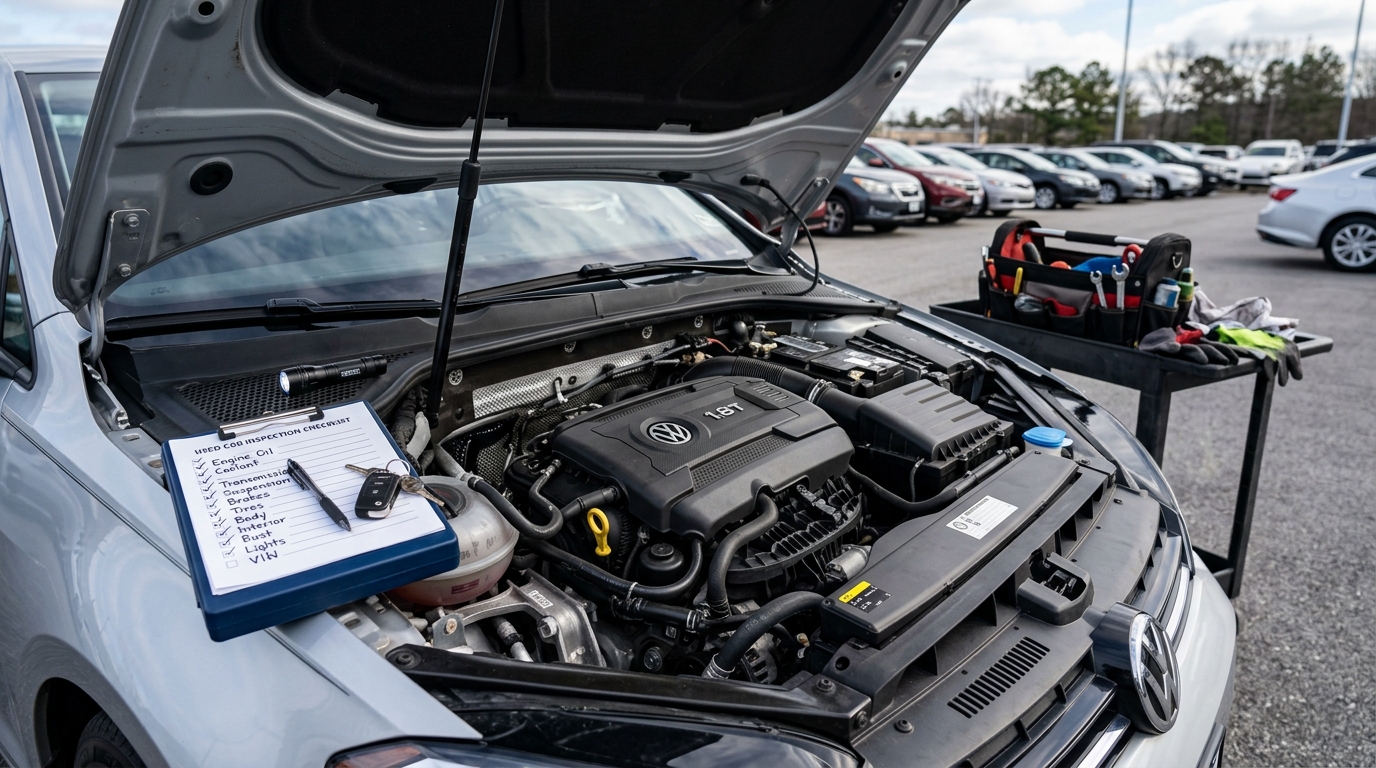
Open the hood with the engine cold. Check the oil dipstick: the oil should be amber or light brown, not black or milky. Milky oil suggests a blown head gasket, a repair that can cost $1,500 to $3,000.
Inspect the coolant reservoir. It should be filled to the ‘cold’ line with green, orange, or pink fluid. A low level or rusty color indicates cooling system issues.
Look at the serpentine belt for cracks or fraying. A new belt costs $20 to $50, but a snapped belt can leave you stranded.
Check the battery terminals for corrosion. Clean terminals are a good sign; heavy corrosion suggests neglect.
Test Drive: The Real Test
Start the engine and listen. A smooth idle is good; knocking or ticking sounds are red flags. Let it run for a minute, then turn it off and restart to ensure it starts hot.
Drive on both city streets and highways. Pay attention to the transmission: it should shift smoothly without hesitation or jerking. A remanufactured transmission costs $3,000 to $5,000.
Test the brakes at different speeds. They should stop the car without pulling to one side or making grinding noises. Brake pads and rotors typically cost $300 to $600 per axle.
Find a empty parking lot and do a few tight circles. Listen for clicking sounds from the CV joints, a sign of worn axles.
Check the alignment by driving straight on a flat road. If the car pulls to one side, it may need an alignment ($100) or have suspension damage.
Professional Inspection: Worth the Investment
Even if you’re handy, a pre-purchase inspection (PPI) by a certified mechanic is a wise move. It costs $100 to $200 and can uncover hidden issues like frame damage or engine problems.
Find a mechanic who is ASE-certified and familiar with the make and model. They’ll put the car on a lift and check the undercarriage, suspension, and exhaust system.
If the seller refuses to allow a PPI, walk away. That’s a major red flag.
Negotiation and Closing the Deal
Use the inspection findings to negotiate. If the tires are worn, deduct $500 from the asking price. If the brakes need work, deduct $400. Be polite but firm.
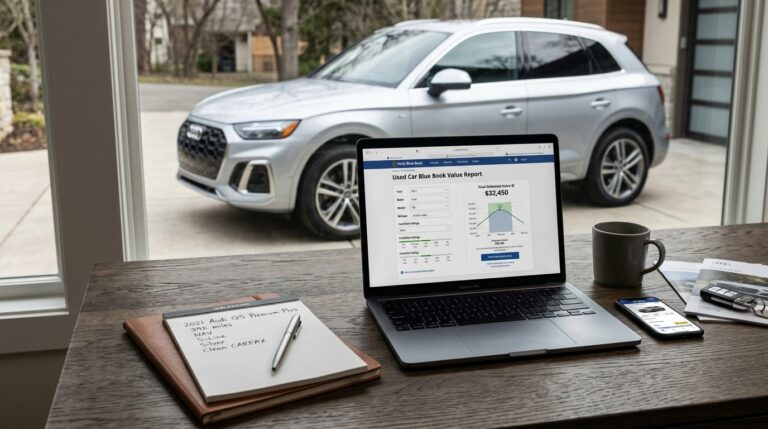
Check the car’s value on Kelley Blue Book or Edmunds. Private party sales are typically 10-20% lower than dealer prices.
When you agree on a price, get a written bill of sale that includes the date, price, VIN, and both parties’ signatures. If you’re buying from a private seller, make sure the title is signed over correctly.
Finally, don’t forget to transfer the title and register the car with your state’s DMV within the required timeframe, usually 30 days. You’ll also need proof of insurance.
Conclusion
Buying a used car doesn’t have to be a gamble. With this checklist, you’ll spot problems before they become expensive headaches. Take your time, ask questions, and trust your instincts. A little diligence now saves thousands later.
Q: How much does a pre-purchase inspection cost?
A pre-purchase inspection typically costs between $100 and $200, depending on the mechanic and location. It’s a small price to pay for peace of mind, as it can uncover issues that might cost thousands to repair. Many mechanics offer mobile inspections for an extra fee. Always choose an ASE-certified mechanic who knows the specific make and model.
Q: What should I do if the seller won’t allow a pre-purchase inspection?
If a seller refuses a pre-purchase inspection, walk away. It’s a major red flag that they’re hiding something. A legitimate seller has nothing to fear from an inspection. There are plenty of used cars for sale, so don’t settle for one with an uncooperative seller. Your money is better spent elsewhere.
Q: How can I check if a used car has been in an accident?
Get a vehicle history report from services like Carfax or AutoCheck using the car’s VIN. These reports show accident history, title branding, and odometer readings. However, not all accidents are reported, so also inspect for mismatched paint, uneven panel gaps, and overspray. A magnet test can reveal body filler used in repairs.
Q: What are the most common problems in used cars?
Common issues include worn brakes, tires, and suspension components, as well as fluid leaks and check engine lights. Transmission problems and AC failures are also frequent. According to CarMD, the average check engine light repair costs $392. A thorough test drive and professional inspection can help you avoid these costly surprises.
Q: How do I negotiate the price of a used car?
Use inspection findings and market value data to negotiate. If the tires are worn, ask for $500 off. If brakes need work, deduct $400. Check Kelley Blue Book or Edmunds for the car’s value. Be polite but firm, and be prepared to walk away. Private party sales are usually 10-20% cheaper than dealer prices.
Article Was Generated By AI.