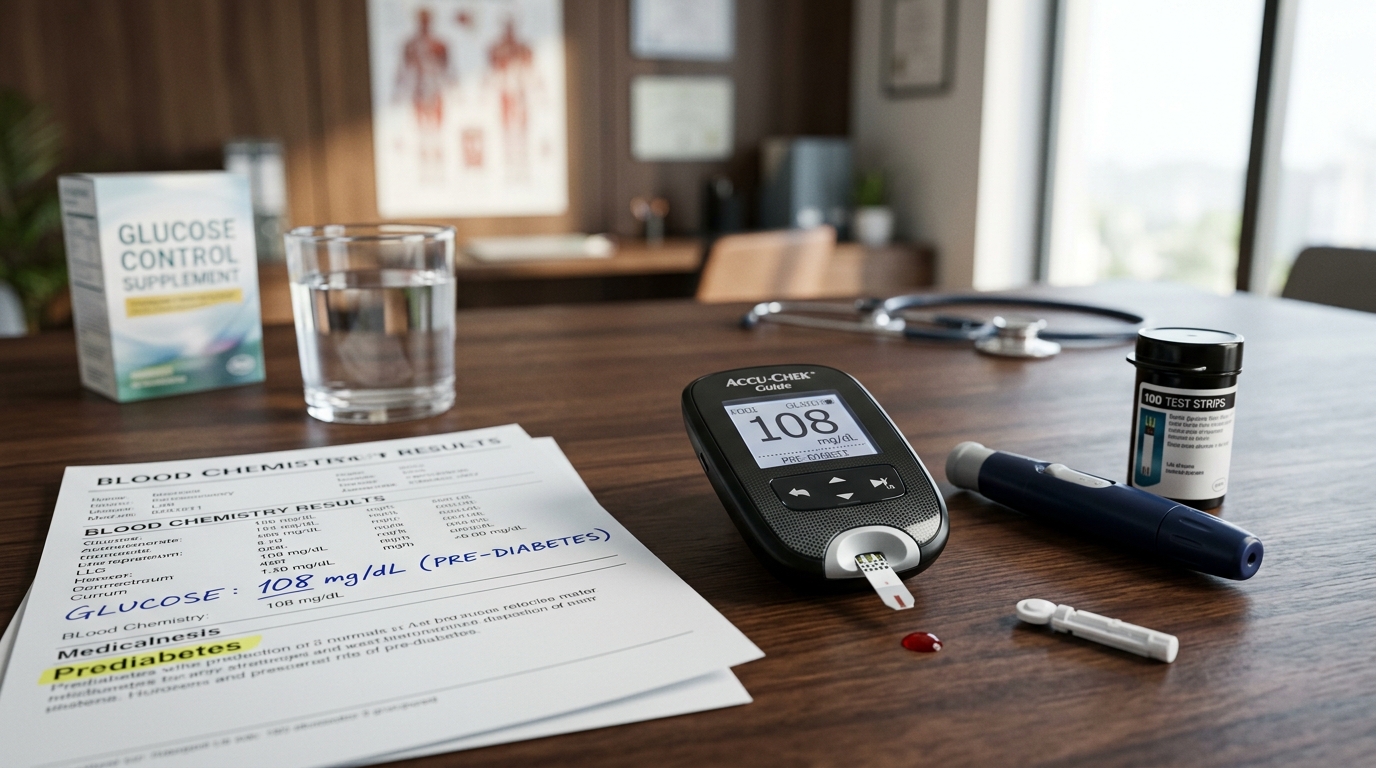
Pre-diabetes affects 1 in 3 American adults, according to the CDC. That’s 96 million people. Most don’t know they have it. The condition often develops silently, with symptoms so mild they’re easy to ignore. But catching it early is your best chance to reverse it. In fact, the CDC’s National Diabetes Prevention Program shows that lifestyle changes can cut your risk of progressing to type 2 diabetes by 58%. For people over 60, that number jumps to 71%.
What Is Pre-Diabetes and Why It Matters
Pre-diabetes means your blood sugar is higher than normal but not high enough for a type 2 diabetes diagnosis. Your body is starting to have trouble using insulin effectively. This is called insulin resistance.
It’s a warning sign. Without intervention, about 15% to 30% of people with pre-diabetes develop type 2 diabetes within five years, according to the American Diabetes Association. The good news? Pre-diabetes is reversible. You can bring your blood sugar back to normal.
The Silent Symptoms You Shouldn’t Ignore
Pre-diabetes often has no obvious symptoms. That’s why it’s called a silent condition. But some people do notice subtle changes. These can be easy to dismiss as normal aging or stress.
Here are the most common signs:
- Increased thirst: You feel thirsty more often, even if you’re drinking enough water.
- Frequent urination: You’re waking up at night to use the bathroom more than before.
- Fatigue: You’re tired after meals or feel drained without a clear reason.
- Blurred vision: Your eyesight seems to fluctuate, especially after eating.
- Slow healing: Small cuts or bruises take longer to recover.
- Tingling or numbness: You feel pins and needles in your hands or feet.
- Darkened skin patches: Velvety dark patches appear on your neck, armpits, or groin. This is called acanthosis nigricans.
These symptoms are easy to miss. That’s why screening is so important. You can’t rely on symptoms alone.
Why Symptoms Are Often Overlooked
Many people attribute these signs to aging or being busy. For example, fatigue might seem normal if you’re working long hours. But if you’re constantly tired after meals, that’s a red flag. Your body is struggling to process sugar.
Dr. Robert Gabbay, chief scientific and medical officer at the American Diabetes Association, says, “Pre-diabetes is a call to action. It’s a chance to make changes before diabetes develops.”
Who’s at Risk? Know Your Numbers
Some people are more likely to develop pre-diabetes. The risk factors include:
- Being over 45
- Having a BMI over 25 (or 23 for Asian Americans)
- Having a parent or sibling with type 2 diabetes
- Being physically active less than 3 times a week
- Having a history of gestational diabetes or giving birth to a baby over 9 pounds
- Having high blood pressure or high cholesterol
- Having polycystic ovary syndrome (PCOS)
Race and ethnicity also play a role. African American, Hispanic, Native American, and Asian American people are at higher risk.
If you have any of these risk factors, talk to your doctor about screening. The U.S. Preventive Services Task Force recommends screening for adults aged 35 to 70 who are overweight or obese.
How to Catch Pre-Diabetes Early
Catching pre-diabetes early gives you the best chance to reverse it. Here’s how.
Get the Right Blood Test
Three tests can diagnose pre-diabetes:
- Fasting blood sugar test: Measures blood sugar after an overnight fast. A reading of 100 to 125 mg/dL indicates pre-diabetes.
- Oral glucose tolerance test: Measures blood sugar before and after drinking a sugary drink. A reading of 140 to 199 mg/dL after 2 hours indicates pre-diabetes.
- A1C test: Measures average blood sugar over 2 to 3 months. An A1C of 5.7% to 6.4% indicates pre-diabetes.
The A1C test is the easiest because it doesn’t require fasting. But any of these tests can catch it.
Know When to Get Screened
The American Diabetes Association recommends screening for all adults starting at age 35. If your results are normal, repeat the test every 3 years. If you have risk factors, get screened earlier and more often.
Dr. Rita Kalyani, an endocrinologist at Johns Hopkins, suggests, “If you have a family history or other risk factors, ask your doctor about screening even if you’re under 35.”
Track Your Numbers Over Time
Don’t just look at one test. Trends matter. If your A1C is creeping up, even within the normal range, that’s a sign to act. For example, an A1C of 5.5% is normal, but if it was 5.0% a year ago, your blood sugar is rising.
Keep a record of your results. Share them with your doctor. This helps you spot changes early.
What to Do If You Have Pre-Diabetes
A diagnosis isn’t a life sentence. It’s a wake-up call. Here are steps you can take to reverse it.
1. Move More
Exercise helps your body use insulin better. Aim for at least 150 minutes of moderate activity per week. That’s about 30 minutes, 5 days a week. Brisk walking counts. So does swimming, cycling, or dancing.
You don’t have to do it all at once. Break it into 10-minute chunks. A study in Diabetologia found that short bursts of activity after meals can lower blood sugar spikes.
2. Eat Real Food
Focus on vegetables, whole grains, lean proteins, and healthy fats. Limit processed foods, sugary drinks, and refined carbs. The CDC’s National Diabetes Prevention Program encourages filling half your plate with non-starchy vegetables.
You don’t have to give up all treats. The 80/20 rule works: eat healthy 80% of the time, and enjoy treats 20% of the time.
3. Lose a Little Weight
If you’re overweight, losing just 5% to 7% of your body weight can make a big difference. For someone who weighs 200 pounds, that’s 10 to 14 pounds. The Diabetes Prevention Program showed this reduces diabetes risk by 58%.
4. Consider Medication
For some people, lifestyle changes aren’t enough. The drug metformin can help. The American Diabetes Association recommends it for people with pre-diabetes who are under 60, have a BMI over 35, or have a history of gestational diabetes.
Talk to your doctor about whether medication is right for you.
Frequently Asked Questions
Q: Can pre-diabetes go away on its own?
Yes, pre-diabetes can reverse without medication. Lifestyle changes like losing 5% to 7% of your body weight, exercising 150 minutes a week, and eating healthier can bring blood sugar back to normal. The CDC’s National Diabetes Prevention Program shows a 58% reduction in risk. But without changes, it often progresses to type 2 diabetes within 5 years.
Q: How often should I get tested for pre-diabetes?
The American Diabetes Association recommends screening every 3 years if your results are normal. If you have risk factors like a family history of diabetes, high blood pressure, or a BMI over 25, get tested more often, at least yearly. If you’re over 35, start screening now. Early detection is key to reversal.
Q: What are the warning signs of pre-diabetes?
Pre-diabetes often has no symptoms. When they do appear, they include increased thirst, frequent urination, fatigue, blurred vision, slow healing, and dark velvety skin patches on the neck or armpits. These signs are subtle and easily missed. That’s why blood tests are the only reliable way to know if you have it.
Q: Can I reverse pre-diabetes without medication?
Yes, many people reverse pre-diabetes through diet and exercise alone. The key is consistency. Aim for 150 minutes of moderate exercise weekly, eat more vegetables and whole grains, and lose 5% to 7% of your body weight. The Diabetes Prevention Program found these changes work better than medication for most people. But some may still need metformin.
Q: What foods should I avoid with pre-diabetes?
Limit sugary drinks, white bread, white rice, processed snacks, and sweets. These spike blood sugar quickly. Instead, choose whole grains, lean proteins, healthy fats, and non-starchy vegetables. The CDC recommends filling half your plate with vegetables at each meal. You don’t have to be perfect, but consistency matters for reversing pre-diabetes.
Conclusion
Pre-diabetes is a warning you can’t afford to ignore. It affects 96 million Americans, and most don’t know it. The symptoms are subtle, but the consequences aren’t. Without action, it can become type 2 diabetes within 5 years.
But here’s the good news: you can reverse it. Get screened if you’re 35 or older, or earlier if you have risk factors. Know your A1C, fasting blood sugar, or glucose tolerance results. Then take action. Move more. Eat real food. Lose a little weight. Even small changes make a big difference.
Talk to your doctor about your risk. Catching pre-diabetes early is the best gift you can give your future self.
Q: Can pre-diabetes go away on its own?
Yes, pre-diabetes can reverse without medication. Lifestyle changes like losing 5% to 7% of your body weight, exercising 150 minutes a week, and eating healthier can bring blood sugar back to normal. The CDC’s National Diabetes Prevention Program shows a 58% reduction in risk. But without changes, it often progresses to type 2 diabetes within 5 years.
Q: How often should I get tested for pre-diabetes?
The American Diabetes Association recommends screening every 3 years if your results are normal. If you have risk factors like a family history of diabetes, high blood pressure, or a BMI over 25, get tested more often, at least yearly. If you’re over 35, start screening now. Early detection is key to reversal.
Q: What are the warning signs of pre-diabetes?
Pre-diabetes often has no symptoms. When they do appear, they include increased thirst, frequent urination, fatigue, blurred vision, slow healing, and dark velvety skin patches on the neck or armpits. These signs are subtle and easily missed. That’s why blood tests are the only reliable way to know if you have it.
Q: Can I reverse pre-diabetes without medication?
Yes, many people reverse pre-diabetes through diet and exercise alone. The key is consistency. Aim for 150 minutes of moderate exercise weekly, eat more vegetables and whole grains, and lose 5% to 7% of your body weight. The Diabetes Prevention Program found these changes work better than medication for most people. But some may still need metformin.
Q: What foods should I avoid with pre-diabetes?
Limit sugary drinks, white bread, white rice, processed snacks, and sweets. These spike blood sugar quickly. Instead, choose whole grains, lean proteins, healthy fats, and non-starchy vegetables. The CDC recommends filling half your plate with vegetables at each meal. You don’t have to be perfect, but consistency matters for reversing pre-diabetes.
Article Was Generated By AI.