Your car’s check engine light just came on. The mechanic quotes $1,200 for a new catalytic converter. Is that fair? Many drivers feel lost when facing repair bills, unsure if they’re being overcharged. Understanding typical costs and knowing how to push back can save you hundreds. This guide breaks down common repairs and gives you tools to avoid overpaying.
Typical Costs for Common Car Repairs
Repair costs vary by vehicle make, model, and region, but national averages give you a baseline. According to RepairPal, the average annual repair cost for a car is around $500 to $600, but individual jobs can range widely. Here are some of the most frequent repairs and what you might expect to pay.
Brake Repairs
Brake pads and rotors are wear items. Replacing front brake pads and rotors typically costs $250 to $500 per axle. Rear brakes often cost slightly less. Luxury or performance cars can push that to $800 or more per axle. If a mechanic suggests new calipers, that adds $300 to $600 per wheel.
You can often avoid overpaying by getting a second opinion if the quote seems high. Brake pads alone are inexpensive, usually $30 to $80 for a set. The labor is the bigger cost, so ask about the shop’s hourly rate.
Battery Replacement
A new car battery costs $100 to $200 for most standard vehicles, plus $20 to $50 for installation. Some shops charge more for premium batteries or those with special features like start-stop technology. You can replace a battery yourself in 15 minutes with basic tools, saving the labor charge.
But be careful: modern cars may need a computer reset after a battery change. If you don’t do that, your car might run rough or throw error codes. Many auto parts stores will install a battery for free if you buy it from them.
Alternator Replacement
An alternator keeps your battery charged while the engine runs. When it fails, you’ll likely need a jump start to get going. Replacing an alternator costs $400 to $800 on average, depending on the car. The part itself runs $200 to $500, and labor adds another $150 to $300.
In practice, alternator failures often come with warning signs: dimming lights, a whining noise, or a battery light on the dash. Catching it early can save you the cost of a tow truck.
Starter Replacement
A bad starter leaves you stranded with a car that won’t crank. Starter replacement costs $300 to $600. The part is $150 to $350, and labor is $150 to $250. Some cars have the starter in an easy-to-reach spot, while others require removing other components, which drives up labor.
If you hear a single click when you turn the key, that’s a classic sign of a failing starter. But it could also be a weak battery. Test the battery first before agreeing to a starter replacement.
Check Engine Light Diagnostics and Repair
Diagnosing a check engine light typically costs $80 to $150 at a shop. Some auto parts stores will read the codes for free. Common causes include a loose gas cap, faulty oxygen sensor, or catalytic converter failure. Fixing an oxygen sensor costs $200 to $400. A catalytic converter replacement can run $1,000 to $2,500, depending on the car.
Don’t let a shop replace a catalytic converter without first checking the oxygen sensors and exhaust for leaks. A bad sensor can mimic a bad converter, and that’s a $1,000 mistake.
Transmission Repairs
Transmission work is among the priciest repairs. A transmission fluid change costs $100 to $300. A solenoid replacement might be $300 to $800. A full rebuild or replacement can cost $3,000 to $7,000. Some shops specialize in transmissions, and their labor rates may be higher but their expertise can prevent repeat failures.
If your transmission is slipping or shifting hard, get it checked immediately. Driving with a transmission problem can turn a $500 repair into a $4,000 rebuild.
Why Repair Costs Vary So Much
Several factors drive the wide range in repair quotes. The biggest are labor rates, parts quality, and vehicle design.
Labor rates vary by region and shop type. A dealership in a big city might charge $150 to $200 per hour. An independent shop in a smaller town might charge $80 to $120 per hour. That difference alone can change a $500 job to $800.
Parts quality matters too. OEM (original equipment manufacturer) parts cost more than aftermarket parts. For some repairs, aftermarket parts work fine. For others, like sensors or electrical components, OEM is often worth the extra cost.
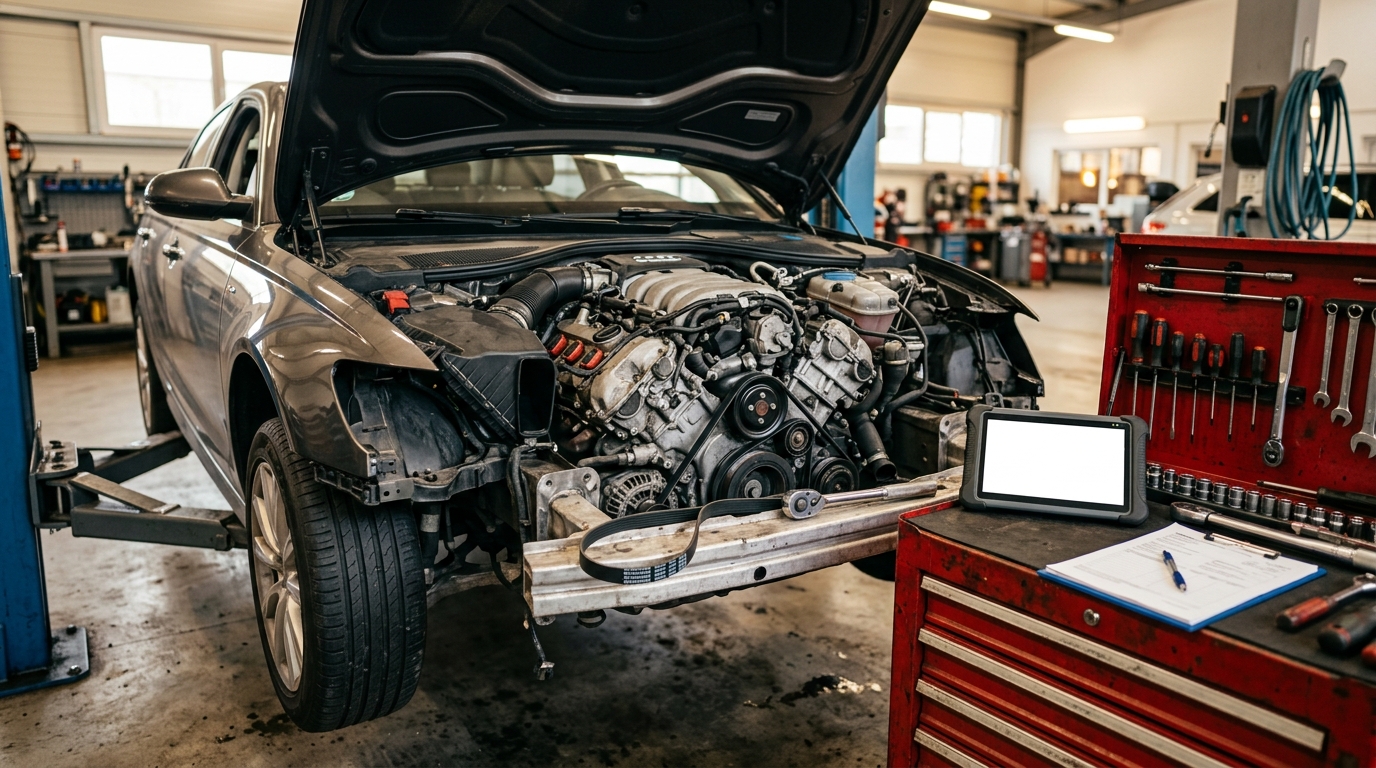
Vehicle design plays a role. A four-cylinder economy car usually has more room to work than a V6 or V8 with a cramped engine bay. Some cars require removing the intake manifold just to reach the spark plugs, which adds hours of labor.
How to Avoid Overpaying for Car Repairs
You don’t need to be a mechanic to protect yourself from overcharges. These strategies will help you stay in control.
Get Multiple Quotes
For any repair over $500, get at least three quotes. Call independent shops and dealerships. Ask for a written estimate that breaks down parts and labor. The difference between the highest and lowest quote can be hundreds of dollars.
Don’t just pick the cheapest. Look for shops with good reviews and certifications like ASE (Automotive Service Excellence). A cheap repair that fails in a month isn’t a bargain.
Ask for the Old Parts
When you authorize a repair, ask the shop to save the old parts. This serves two purposes. First, it proves they actually replaced what they said. Second, you can inspect the part to see if it truly needed replacement. Some shops may charge a core charge, but they should still show you the old part.
Learn Basic Diagnostics
You can buy an OBD-II scanner for $20 to $50. It plugs into a port under your dashboard and reads error codes. That $30 tool can tell you if a repair shop is diagnosing the right problem. If the code says “oxygen sensor” and the shop insists you need a new catalytic converter, get a second opinion.
YouTube has countless videos showing how to diagnose common issues. Spending 20 minutes researching can save you hundreds.
Negotiate Labor Rates
Labor rates are sometimes negotiable, especially at independent shops. If you’re paying cash or have a simple job, ask if they can do better on the hourly rate. Some shops offer lower rates for repeat customers or if you bundle multiple repairs.
Dealerships rarely negotiate, but they sometimes offer coupons or service specials. Check their website before you go.
Use Repair Cost Estimators
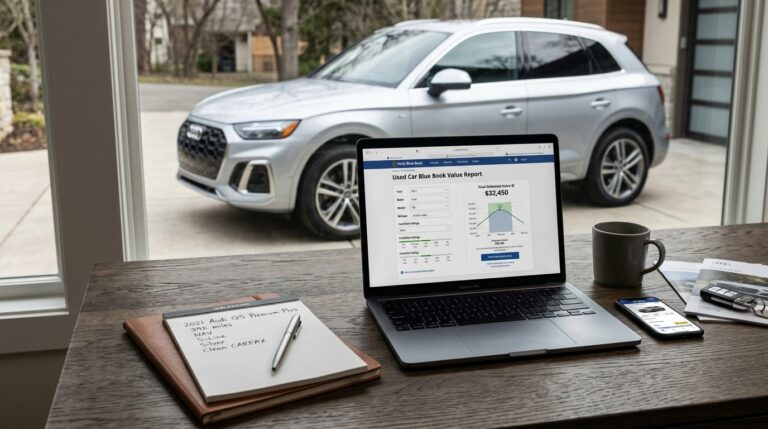
Websites like RepairPal and Kelley Blue Book offer repair cost estimators. Enter your car’s make, model, year, and your zip code to see a fair price range. If a shop’s quote is far above the high end, ask why. Sometimes there’s a valid reason, like additional parts needed. Other times, it’s a sign to walk away.
Consider a Pre-Purchase Inspection
If you’re buying a used car, spend $100 to $200 on a pre-purchase inspection. A mechanic will check for hidden problems that could cost thousands later. That small investment can save you from buying a car with a failing transmission or a blown head gasket.
Even if you’re not buying, an annual inspection can catch small issues before they become big repairs. A $100 inspection might reveal a worn belt that costs $150 to replace, versus a $2,000 engine repair if it snaps.
When to Say No to a Repair
Sometimes the best financial decision is to skip the repair. If your car is worth $3,000 and needs a $2,500 transmission, it might be time to let it go. A general rule: if the repair costs more than half the car’s value, consider replacing the car.
But that’s not always true. If you love the car and it’s otherwise reliable, a major repair can still be worth it. Just weigh the cost against the alternative of a new car payment.
Also, be wary of shops that pressure you into immediate repairs. Unless it’s a safety issue like brakes or steering, you usually have time to get a second opinion. A reputable shop will never pressure you.
Conclusion
Car repairs are unavoidable, but overpaying isn’t. Know the typical costs, get multiple quotes, and don’t be afraid to ask questions. A little research goes a long way. For more automotive tips, visit tinysearcher.com.
Q: How much should I expect to pay for brake pads and rotors?
For most cars, replacing front brake pads and rotors costs $250 to $500 per axle. Rear brakes are often slightly less. Luxury or performance vehicles can cost $800 or more per axle. Labor rates and parts quality affect the final price. Always get a written estimate that separates parts and labor.
Q: Is it cheaper to go to an independent shop or a dealership?
Independent shops typically charge $80 to $120 per hour for labor, while dealerships charge $150 to $200 per hour. However, dealerships may have specialized tools and training for your specific make. For routine repairs, independent shops are often more affordable. For complex or warranty-related work, a dealership might be worth the extra cost.
Q: How can I tell if a repair shop is overcharging me?
Use online repair cost estimators like RepairPal to see a fair price range for your car and zip code. If a quote is significantly higher, ask for a detailed breakdown. Get a second opinion for any repair over $500. Trust your gut: if a shop pressures you or won’t explain the work, go elsewhere.
Q: What should I do if my check engine light comes on?
First, check if your gas cap is loose. If not, get the codes read. Many auto parts stores do this for free. A simple OBD-II scanner costs $20 to $50. Don’t authorize expensive repairs like a catalytic converter replacement until you’ve confirmed the diagnosis with a second opinion.
Q: When is it better to replace my car instead of repairing it?
A common rule is if the repair costs more than half the car’s value, consider replacing it. For example, a $2,500 transmission on a $3,000 car might not be worth it. But if the car is otherwise reliable and you plan to keep it, a major repair can still be cost-effective compared to a new car payment.
Article Was Generated By AI.