Negotiating the price of a used car can feel like a high-stakes poker game. But with the right preparation, you can turn the tables and save thousands. The average used car buyer leaves $1,500 on the table simply because they don’t ask, according to a 2022 study by car-buying app CoPilot. That’s real money you can keep.
This guide gives you the exact steps, from research to handshake, so you can walk into any dealership or private seller meeting with confidence.
1. Do Your Homework Before You Talk Numbers
Knowledge is your biggest bargaining chip. Before you set foot on a lot, gather three key data points: the car’s market value, its history, and the seller’s motivation.
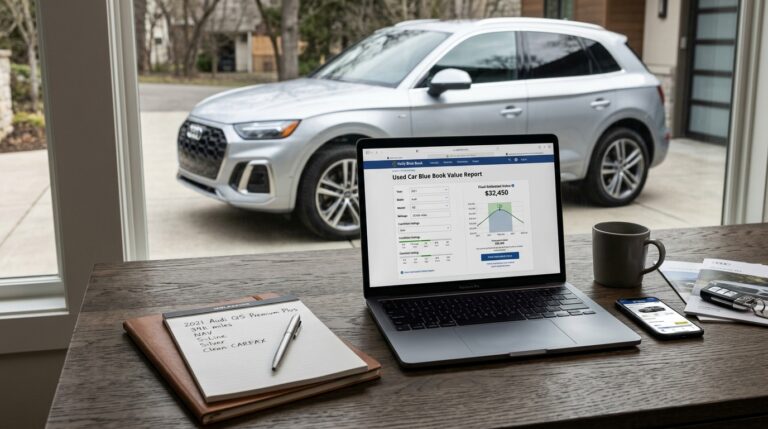
Start with pricing tools like Kelley Blue Book (KBB), Edmunds, and NADA Guides. These give you a range based on year, make, model, mileage, and condition. For a more local view, check listings on CarGurus and Autotrader to see what similar cars are actually selling for in your area.
Don’t skip the vehicle history report. A $40 report from Carfax or AutoCheck can reveal accidents, odometer rollbacks, or salvage titles, all of which are negotiation ammunition. If the seller claims “clean history” but the report shows a fender bender, you’ve got leverage.
Check the Car’s Condition Yourself
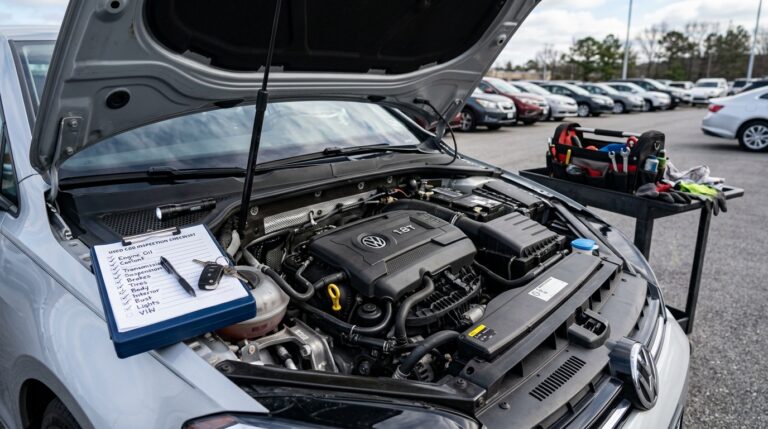
A pre-purchase inspection (PPI) by a certified mechanic costs $100 to $200 and can uncover issues the seller missed or hid. Use any needed repairs as a reason to lower your offer. For example, if the tires are worn, deduct $500 from your target price.
2. Set a Target Price and a Walk-Away Number
Never negotiate without a clear budget. Use the data you gathered to set two numbers: your target price (what you’d love to pay) and your walk-away price (the maximum you’ll spend).
Your target should be slightly below the fair market value, say 5 to 10 percent lower. Your walk-away should be the top of the fair range. This gives you room to move without overpaying.
Write these numbers down and keep them visible. Emotions run high at the dealership, and having a written limit helps you stay disciplined.
3. Time Your Visit Strategically
Timing can affect how flexible a seller is. Visit at the end of the month or quarter when salespeople are trying to hit quotas. A 2019 study by Edmunds found that buyers who purchased on the last day of the month saved an average of $200 more than those who bought mid-month.
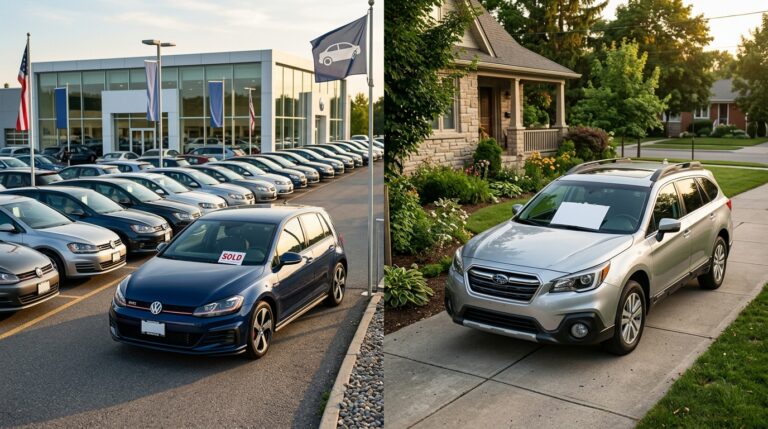
For private sellers, look for listings that have been up for more than 30 days. The seller may be more eager to negotiate. Also, bad weather (rain or snow) keeps other buyers away, giving you more attention and leverage.
4. Start with a Low but Reasonable Offer
Your first offer sets the tone. Go in with a number that’s about 10 to 15 percent below your target price. This might feel aggressive, but it leaves room for the seller to counter.
For example, if the asking price is $20,000 and your target is $18,000, offer $16,500. That’s low enough to anchor the negotiation in your favor but not so low that it insults the seller.
Always justify your offer with facts: “I’ve seen similar models with lower mileage listed at $17,500, and this one needs new brakes.” That shows you’re serious and informed.
5. Use Silence and Patience as Tools
After you make an offer, stop talking. Silence is uncomfortable, and the seller may fill the gap with a concession. Count to 10 in your head. Let them respond first.
If they counter, don’t rush to accept. Pause, then repeat your reasoning. Patience signals that you’re willing to walk away, which is your strongest card.
In practice, many salespeople are trained to ask “What will it take to get you in this car today?” Turn it back on them: “What’s the best you can do on the price?” This puts the ball in their court.
6. Negotiate the Out-the-Door Price, Not Just the Sticker
Dealers often advertise a low price but add fees that inflate the final cost. Always negotiate the out-the-door (OTD) price, which includes taxes, title, registration, and any dealer fees.
Ask for a breakdown of all charges. If you see a “documentation fee” of $500, push back. In many states, doc fees are negotiable or capped by law. A 2023 survey by the Consumer Federation of America found that 62 percent of buyers didn’t know doc fees were negotiable.
Also, separate the financing conversation from the price negotiation. Dealers make money on financing, so agree on the OTD price first, then discuss how you’ll pay.
7. Be Ready to Walk Away
The most powerful negotiation tactic is the willingness to walk away. If the seller won’t meet your walk-away price, thank them and leave. You can always find another car.
In fact, walking away often leads to a callback with a better offer. A 2021 study by car-buying service CarEdge found that 40 percent of buyers who walked away were contacted within 48 hours with a lower price.
Remember, there’s no shortage of used cars. The average dealership has 30 to 50 used cars on the lot at any given time, according to the National Automobile Dealers Association (NADA). You have options.
Conclusion
Negotiating a used car price isn’t about being tough; it’s about being prepared. Research the market, set your limits, and use silence and facts to your advantage. With these strategies, you’ll drive away with a fair deal and a fuller wallet.
Q: What’s the best time to negotiate a used car price?
The end of the month or quarter is ideal because salespeople are trying to meet quotas. For private sellers, target listings that have been up for over 30 days. Bad weather also works in your favor since fewer buyers show up, giving you more leverage.
Q: How much can I realistically negotiate off the asking price?
On average, you can negotiate 5 to 10 percent off the asking price, but it depends on the car’s demand and condition. With solid research and a willingness to walk away, some buyers save 15 percent or more. Use market data to justify your offer.
Q: Should I negotiate the monthly payment or the total price?
Always negotiate the total out-the-door price first. Focusing on monthly payments lets the dealer stretch the loan term and hide a higher price. Once you agree on the price, then discuss financing options separately.
Q: What if the seller won’t budge on price?
If the seller won’t move, ask for add-ons like new tires, a warranty, or free maintenance. If those aren’t available, be prepared to walk away. There are plenty of other cars, and walking away often leads to a better offer later.
Q: How do I handle dealer fees during negotiation?
Ask for a full breakdown of all fees before you agree on a price. Documentation fees are often negotiable, and some states cap them. Politely refuse to pay for unnecessary add-ons like nitrogen-filled tires or VIN etching, which are often overpriced.
Article Was Generated By AI.