You don’t need a $50,000 remodel to boost your home’s value. In fact, many small upgrades deliver a better return on investment than major renovations. According to a 2024 report from the National Association of Realtors, minor kitchen remodels recoup around 75% of their cost at resale, while major kitchen remodels recover only about 50%. The lesson? Think small, strategic, and high-impact.
Here are the upgrades that actually move the needle, based on real estate data and what buyers consistently say they want.
Why Small Upgrades Often Beat Big Renovations
Big projects come with big price tags and unpredictable timelines. A full bathroom remodel averages $27,000 and can take months. Meanwhile, a $500 faucet replacement or a $200 lighting update can transform the same space in an afternoon.
Real estate agents call this the “80/20 rule of home value.” A small number of visible, functional improvements create most of the perceived value. Buyers notice what they can see and touch. They don’t see the new plumbing behind the wall, but they do notice a leaky faucet.
In practice, homeowners who focus on curb appeal, kitchens, and bathrooms see the fastest returns. These three areas drive buyer decisions more than any other part of a home.
Kitchen Upgrades That Pay You Back
The kitchen remains the most scrutinized room in any home sale. But you don’t need to gut it. Small, smart changes can make it feel brand new.
Swap Out Hardware and Faucets
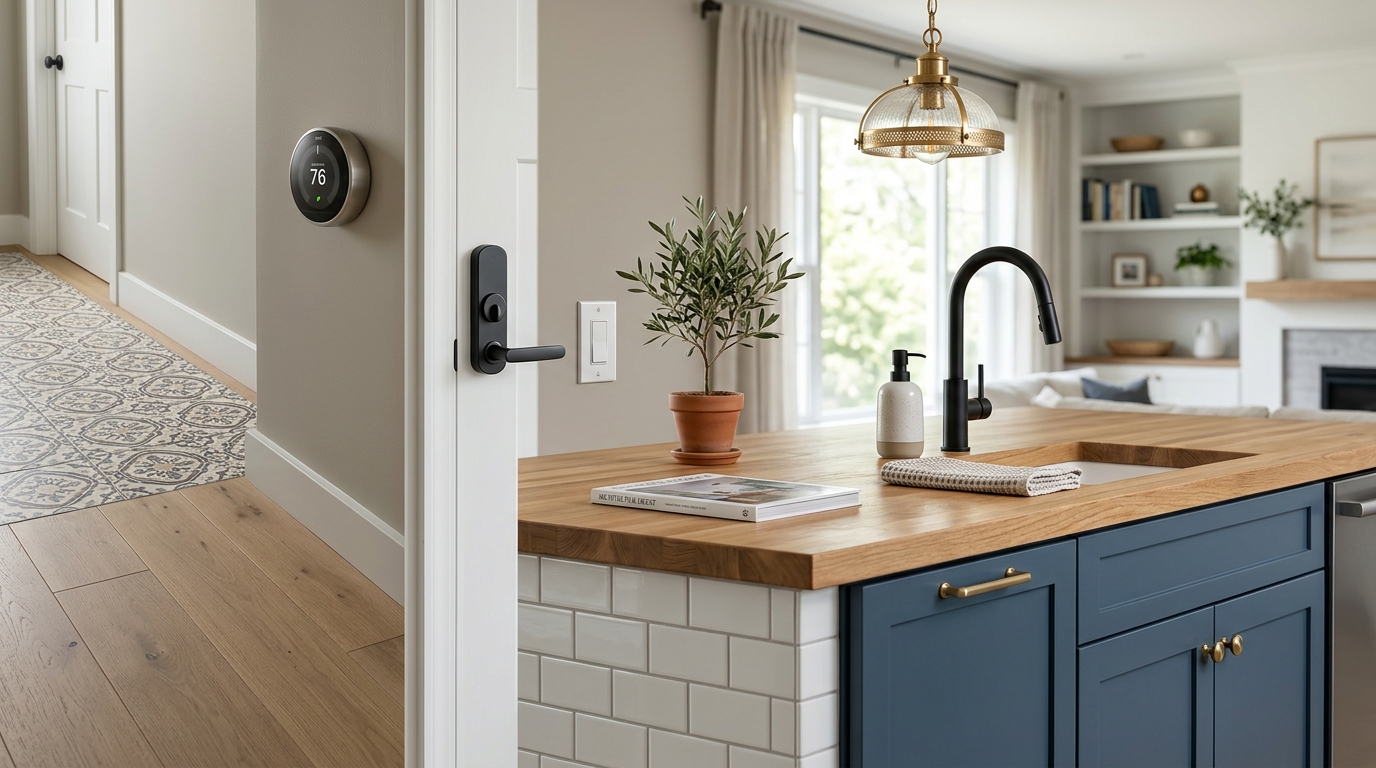
Cabinet hardware costs about $5 to $15 per knob or pull. Replacing dated brass with matte black or brushed nickel can modernize a kitchen for under $200. Pair that with a new faucet in the $150 to $300 range, and you’ve got a quick visual win.
Buyers notice these details. A 2023 survey by the National Kitchen & Bath Association found that 62% of buyers said kitchen fixtures influenced their decision.
Add a Tile Backsplash
A peel-and-stick backsplash runs about $20 per square foot. A traditional tile installation costs $40 to $60 per square foot. Either option adds color and texture that makes the kitchen feel finished.
You can DIY a peel-and-stick version in a weekend. That’s a fast, low-risk upgrade that photographs well for listings.
Upgrade Lighting
Old fluorescent box lights scream “1985.” Replacing them with pendant lights or under-cabinet LED strips costs $100 to $400. Good lighting makes a small kitchen feel larger and more inviting.
In practice, this is one of the cheapest ways to change how a room feels. It’s also something buyers remember.
Bathroom Fixes That Buyers Notice
Bathrooms are the second most important room for resale value. Small fixes here can add thousands to your asking price.
Regrout and Recauck
Dirty grout makes a bathroom look old and neglected. Regrouting costs $200 to $500 if you hire a pro. Recauking around the tub and sink costs under $20 in supplies and takes an hour.
These aren’t glamorous upgrades, but they signal that the home is well-maintained. That matters to buyers.
Replace the Toilet Seat and Showerhead
A new toilet seat costs $30 to $80. A low-flow showerhead runs $20 to $60. Both are easy DIY swaps that make the bathroom feel cleaner and more modern.
Water-saving fixtures also appeal to eco-conscious buyers. The EPA estimates that replacing an old showerhead with a WaterSense model saves about 2,700 gallons of water per year.
Add Storage
Floating shelves, a over-the-toilet cabinet, or a simple mirror with built-in storage can solve the “no space” complaint. Buyers hate clutter. Storage solutions make small bathrooms feel functional.
Energy Efficiency Upgrades With Real Payback
Energy-efficient homes sell faster and for more money. A 2024 study by the University of California, Berkeley found that homes with energy-efficient certifications sold for 7% more on average.
Install a Smart Thermostat
A smart thermostat costs $150 to $250. It can save you 10% to 15% on heating and cooling bills, according to Energy Star. That’s real money back in your pocket before you even sell.
Buyers love smart home features. A 2023 survey by Coldwell Banker found that 67% of buyers would pay more for a home with smart technology.
Seal Drafts and Add Insulation
Weatherstripping and caulk cost under $50. Adding insulation to an attic runs $1,500 to $3,500, but it can cut energy bills by 15% to 20%. These upgrades make the home more comfortable and cheaper to run.
In practice, energy upgrades are one of the few improvements that pay you back while you live there. You save on bills, and you get a higher sale price later.
Curb Appeal on a Budget
You never get a second chance at a first impression. Curb appeal is the first thing buyers see, and it sets their expectations for the whole house.
Paint the Front Door
A $30 can of paint can transform your entryway. Bold colors like navy blue or red make a house feel welcoming. According to a 2023 Zillow study, a black or charcoal front door added $6,000 to a home’s value in some markets.
Update House Numbers and Lighting
New house numbers cost $20 to $50. A new porch light costs $40 to $150. Both are small details that make a home feel polished and well-cared-for.
Add Landscaping
You don’t need a full garden redesign. A few $10 shrubs, a fresh layer of mulch, and some potted plants can do wonders. A Virginia Tech study found that landscaping can increase a home’s value by up to 12%.
Keep it simple. Clean lines and healthy plants beat an overgrown mess every time.
Smart Home Tech That Adds Value
Smart home features are no longer a luxury. They’re expected in many markets. But not all smart upgrades add value. Focus on the ones buyers actually use.
- Smart locks: $100 to $250. Keyless entry is a top requested feature.
- Video doorbells: $50 to $200. Security sells.
- Smart lighting: $20 to $50 per bulb. Convenience and energy savings.
- Smart garage opener: $50 to $100. Small upgrade, big convenience.
Skip the $5,000 whole-home automation system unless you’re in a luxury market. Most buyers won’t pay extra for features they don’t understand.
What to Avoid
Not every upgrade adds value. Some actually hurt your resale chances.
Over-personalizing is the biggest mistake. A $10,000 koi pond might be your dream, but a buyer sees a maintenance headache. Bold paint colors, custom murals, and niche additions like home gyms or wine cellars rarely recoup their cost.
Also avoid over-improving for your neighborhood. If every other home on your street has laminate counters, installing marble won’t raise your value above the neighborhood ceiling. You’ll just lose money.
In practice, the best upgrades are the ones that make your home feel clean, functional, and move-in ready. Stick to neutral colors, classic finishes, and quality materials.
Conclusion
You don’t need a huge budget to add real value to your home. Focus on kitchens, bathrooms, curb appeal, and energy efficiency. These are the areas buyers care about most, and they’re where small upgrades deliver the biggest returns.
Start with the projects that cost under $500. They’re low-risk, high-reward, and you’ll enjoy them while you live there. Then, if you have more budget, move to bigger items like insulation or a minor kitchen refresh. Every smart upgrade is an investment in your home’s future sale price.
Q: What is the cheapest home upgrade that adds the most value?
Painting your front door and updating cabinet hardware are two of the cheapest upgrades with high impact. A $30 can of paint can add thousands in perceived value, and new knobs cost under $200. Both are DIY-friendly and take just a few hours.
Q: Do smart home devices really increase home value?
Yes, but only the ones buyers understand and use. Smart thermostats, video doorbells, and smart locks top the list. A 2023 Coldwell Banker survey found 67% of buyers would pay more for smart tech. Skip complex whole-home systems that confuse rather than help.
Q: How much does a minor kitchen remodel increase home value?
A minor kitchen remodel recoups about 75% of its cost at resale, according to the National Association of Realtors. That’s better than a major remodel, which recovers around 50%. Focus on paint, hardware, and lighting for the best return.
Q: What home upgrades should I avoid?
Avoid over-personalizing with bold colors, custom murals, or niche additions like koi ponds. Also skip over-improving for your neighborhood. If your home is the most expensive on the block, you won’t recoup luxury upgrades. Stick to neutral, functional improvements.
Q: How can I improve curb appeal on a small budget?
Start with a fresh coat of paint on your front door, new house numbers, and a clean porch light. Add a few $10 shrubs and a layer of mulch. A Virginia Tech study found landscaping can boost value by up to 12%. Small, tidy changes beat big, messy ones.
Article Was Generated By AI.