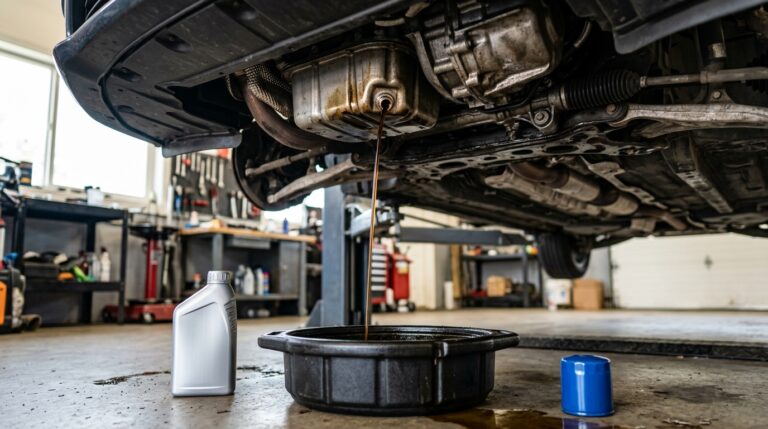
Motor oil is the lifeblood of your engine. It lubricates moving parts, reduces friction, carries away heat, and keeps harmful deposits from building up. With so many labels and numbers on the shelf, choosing the right one can feel confusing. Here is how to cut through the jargon and pick the oil your car actually needs.
Start With Your Owner Manual
The most reliable guide is your owner manual. The manufacturer has tested your engine and specifies the viscosity grade, the performance standard, and sometimes a particular approval. You will often find the recommended grade printed on the oil filler cap as well. Using the recommended oil protects your engine, helps maintain fuel economy, and keeps your warranty valid. If you cannot find the manual, search online using your car’s make, model, and year.
Understand Viscosity Numbers
Viscosity describes how thick or thin an oil is. A grade such as 5W-30 has two numbers. The first, followed by the letter W for winter, shows how easily the oil flows when cold, and a lower number means easier flow at start-up. The second number shows the oil’s thickness at normal operating temperature. Thinner oils reduce friction and help fuel economy in many modern engines, while thicker oils may be specified for older engines or heavy loads. Do not change the grade unless your manufacturer allows it.
Conventional, Blend, or Full Synthetic?
There are three main types of motor oil:
- Conventional oil is refined from crude oil and is usually the most affordable
- Synthetic blend mixes conventional and synthetic base oils for extra protection at a moderate price
- Full synthetic is engineered for consistency, resists heat and breakdown better, flows well in cold weather, and often lasts longer between changes
Many newer engines, especially turbocharged ones, require synthetic oil, so always check the manual before choosing.
Look for Certification Symbols
Check the container for the API service symbol, often called the donut, and the ILSAC starburst. These show that the oil meets current performance standards set by industry organizations. Some European cars call for specific approvals, such as ACEA ratings or a manufacturer code. Matching these requirements matters more than the brand name on the bottle.
Consider Your Driving Conditions
Severe conditions put extra stress on oil. These include frequent short trips, towing, stop-and-go traffic, dusty roads, and extreme heat or cold. In such cases many manufacturers suggest shorter change intervals or a higher-quality oil. High-mileage oils contain seal conditioners and extra additives, which can help engines with a lot of miles reduce leaks and oil consumption.
Change It on Schedule
Even the best oil wears out. Follow the interval in your manual, which is often between 5,000 and 10,000 miles for modern cars, or by time if you drive very little. Check the dipstick once a month and top up with the same type of oil if the level is low. Replace the oil filter at every change.
Choosing the right oil is simple once you know where to look: follow the manual, match the grade and standard, and keep up with regular changes.
Article Was Generated By AI.